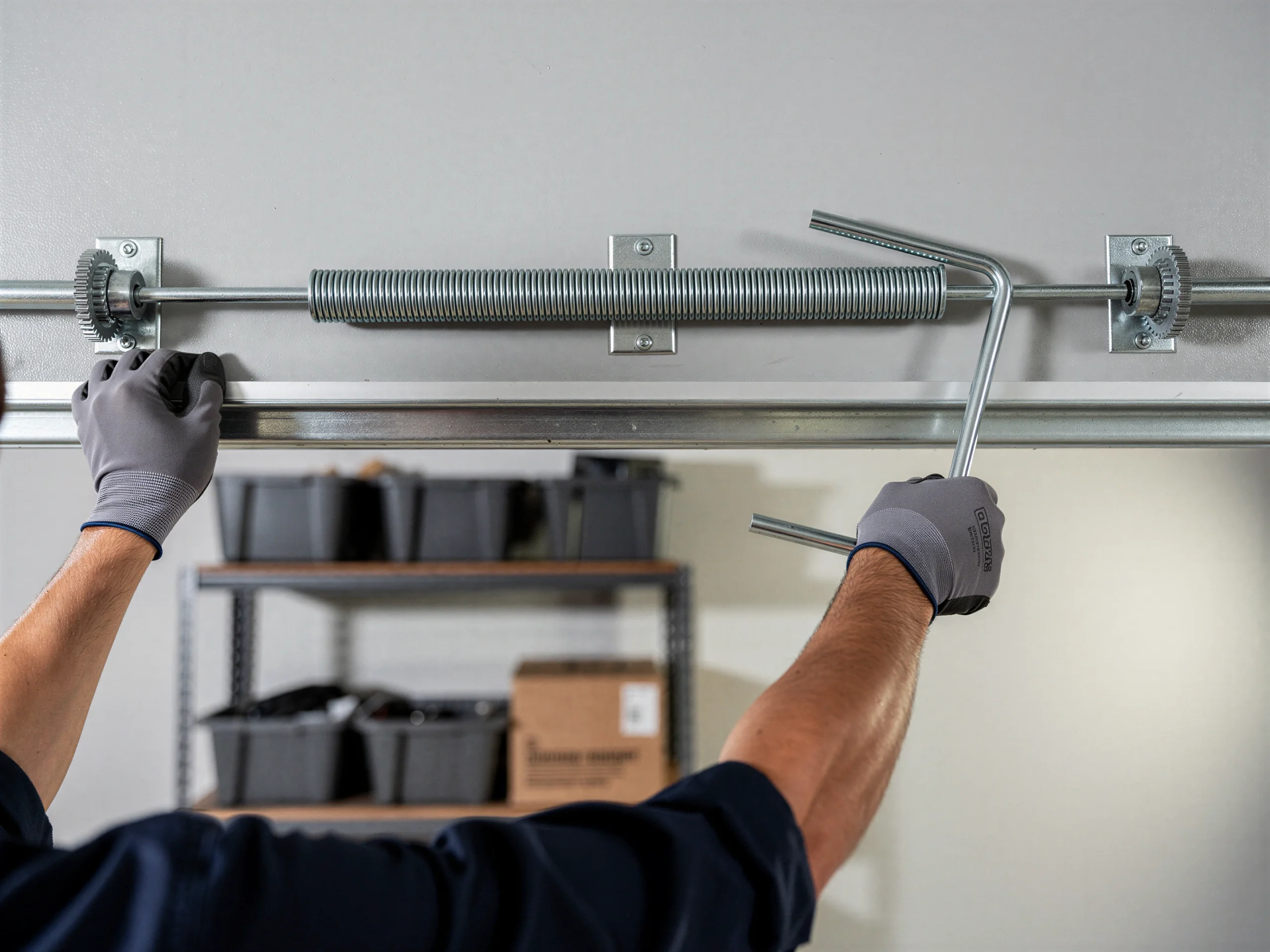
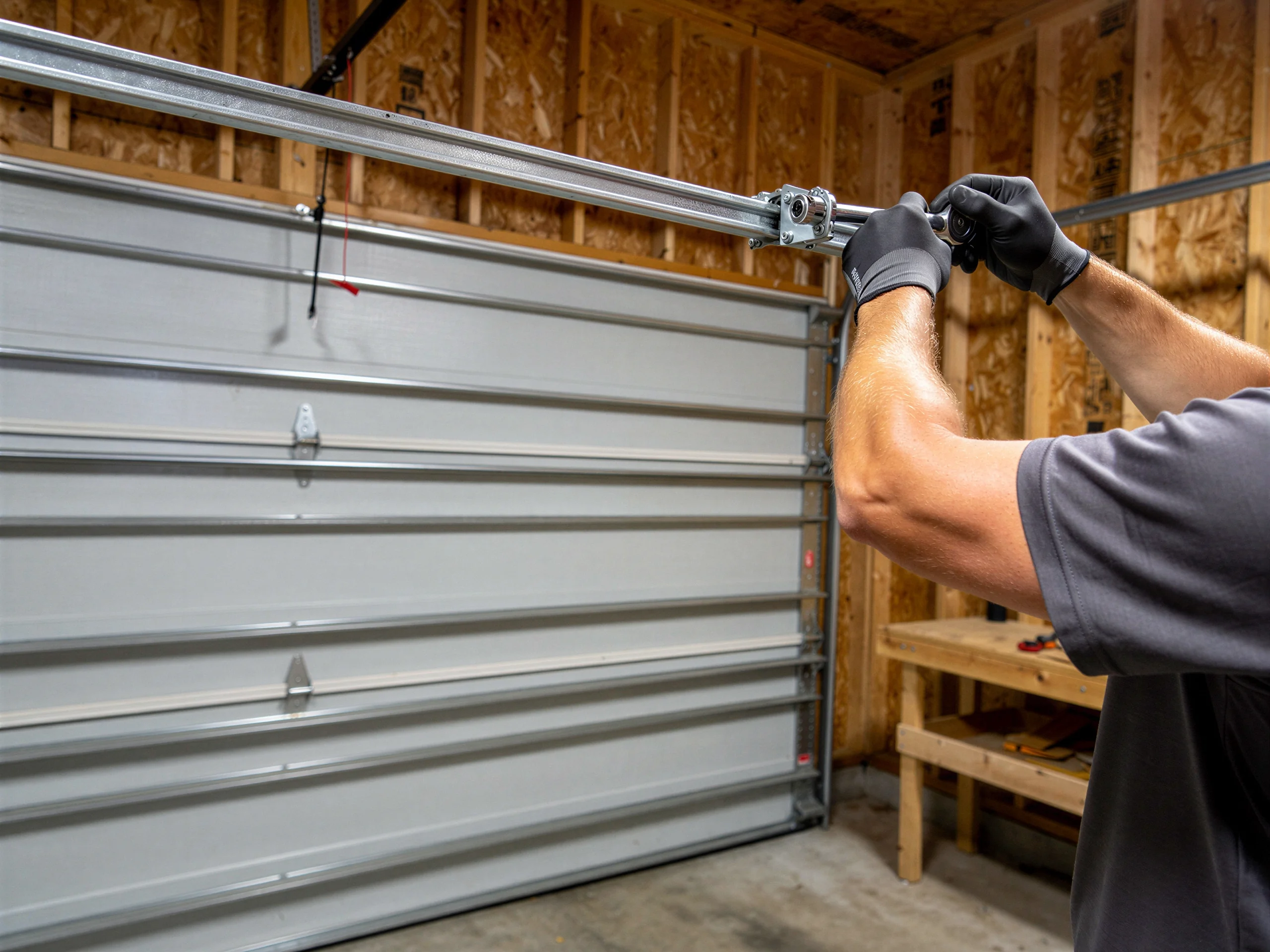
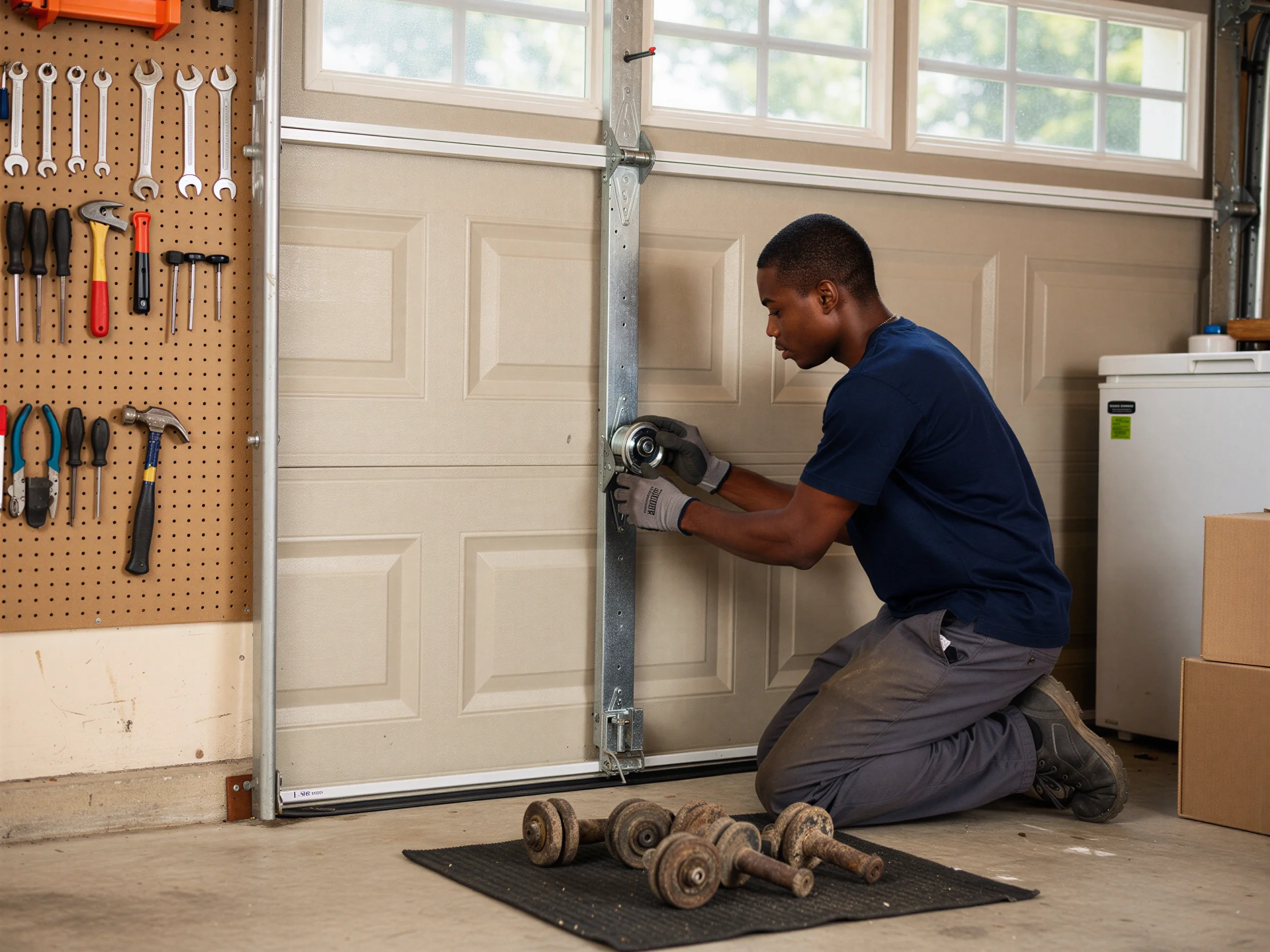
Most of the housing across this service area went up between 1964 and 2006, with the heaviest building years falling in the 1980s and 90s. Torsion springs are rated by cycle count, not calendar years, but a spring installed when a house was built in that window is now well past the point where metal fatigue sets in - 20 to 30 years of regular use is close to where most springs give out, and that lines up with a lot of the stock in this area right now.
The cold, moderate climate band here adds to it. Steel contracts in cold mornings and expands again in the afternoon, and a spring that's already near the end of its cycle life handles that daily flex worse than a new one. It's not usually a single hard freeze that snaps a spring - it's thousands of smaller temperature swings on top of thousands of open-close cycles.
Across the roughly 130,959 households and 66,619 owner-occupied houses we cover, from nearby Sherwood and Bull Mountain out to Molalla and Dayton, the pattern repeats: original or first-replacement springs from the 80s and 90s building boom are reaching the end of their working life at close to the same time.