Thin 1970s steel panels
These were single-layer steel panel doors, usually one 16-foot double or a pair of 9-foot singles, hung on torsion or extension springs sized for the lighter steel of that decade. No foam-filled sandwich, no modern seals.
Oatfield, Tualatin
Oatfield's garage doors mostly date to the mid-1970s building boom. We drive out from Tualatin, 9 miles away, to fix the springs, tracks, and openers that era left behind.
DIY or pro
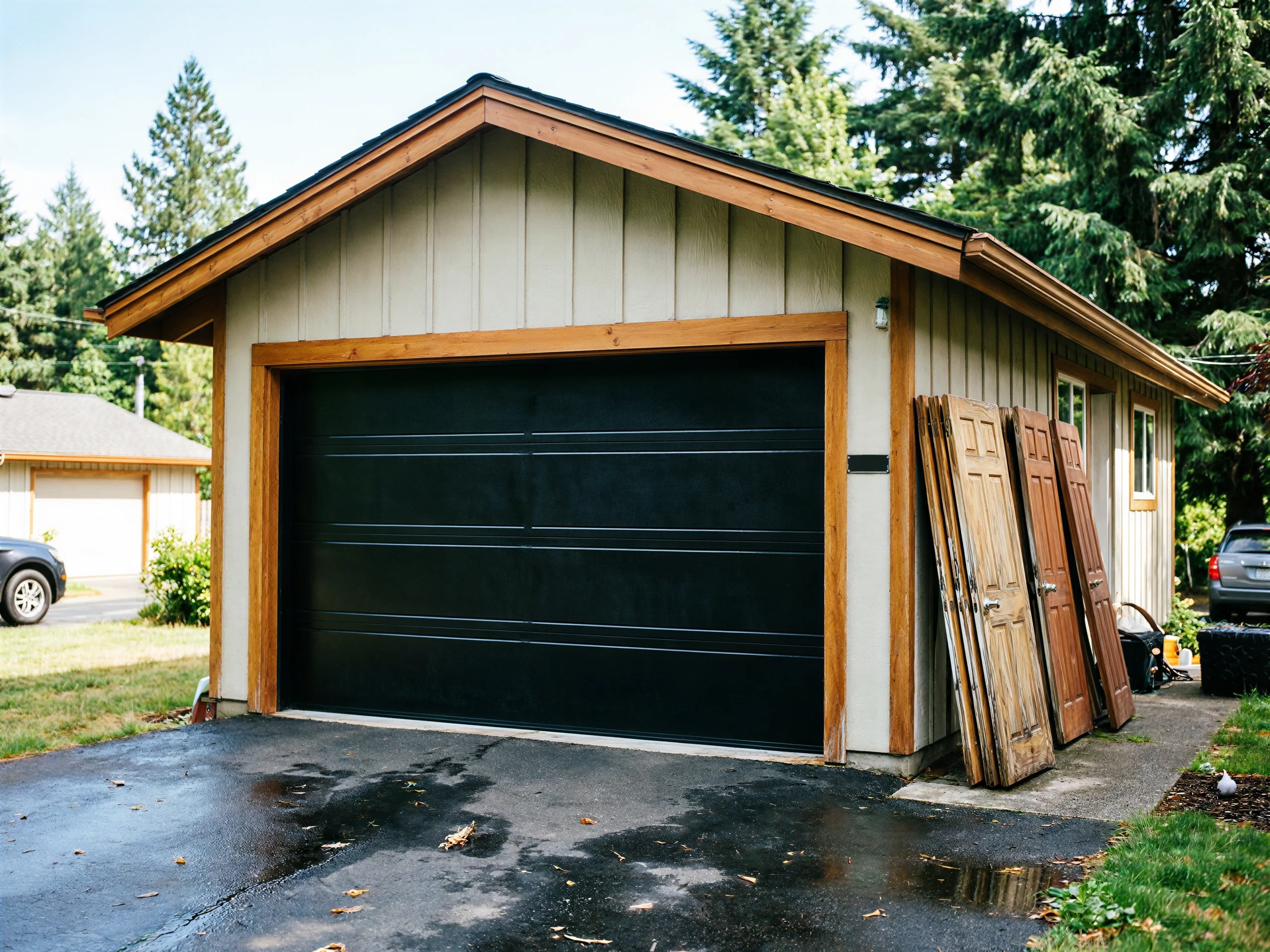
Most houses in Oatfield went up around 1976, which puts the original garage doors - if they're still there - at close to fifty years old.
These were single-layer steel panel doors, usually one 16-foot double or a pair of 9-foot singles, hung on torsion or extension springs sized for the lighter steel of that decade. No foam-filled sandwich, no modern seals.
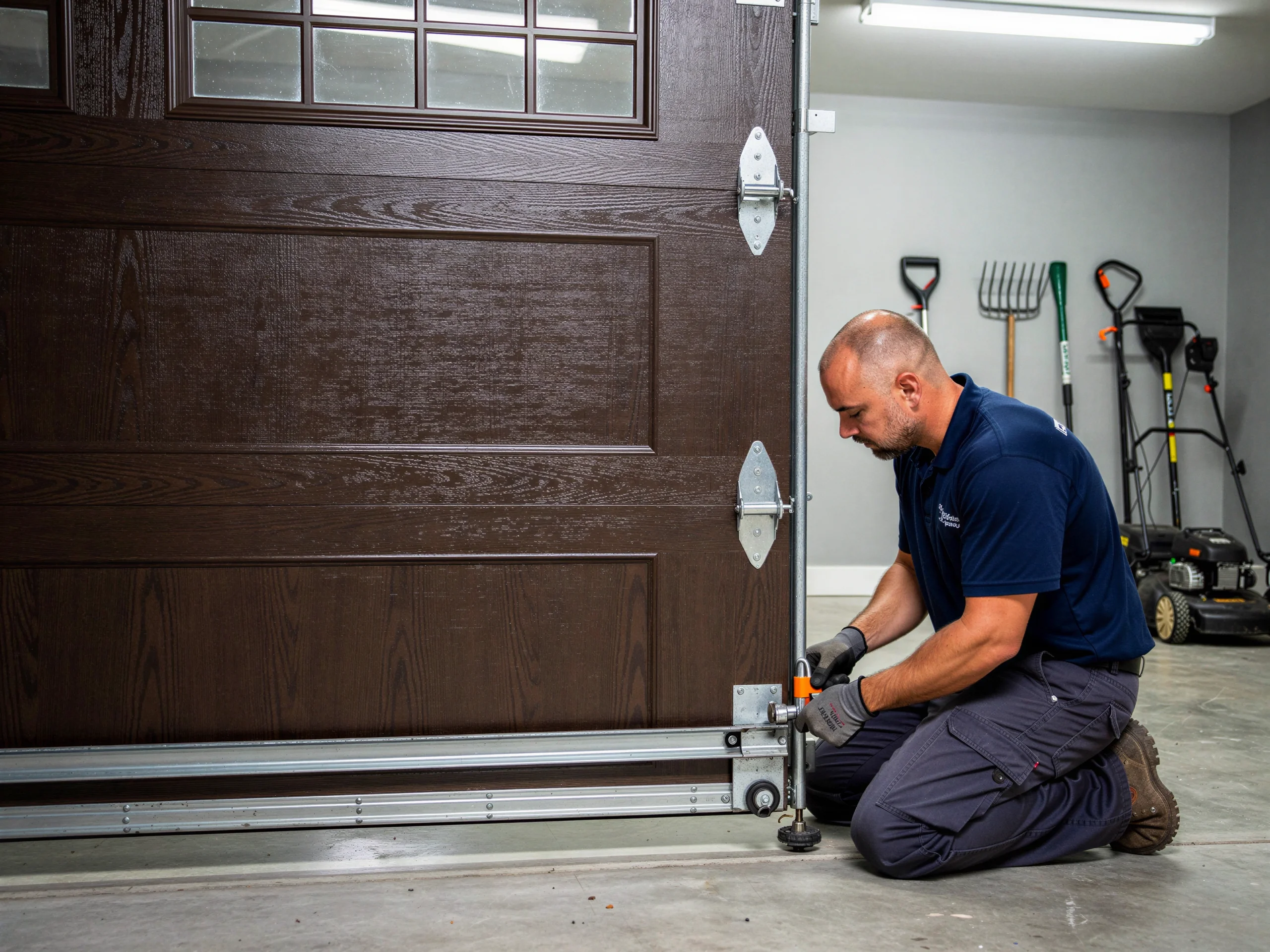
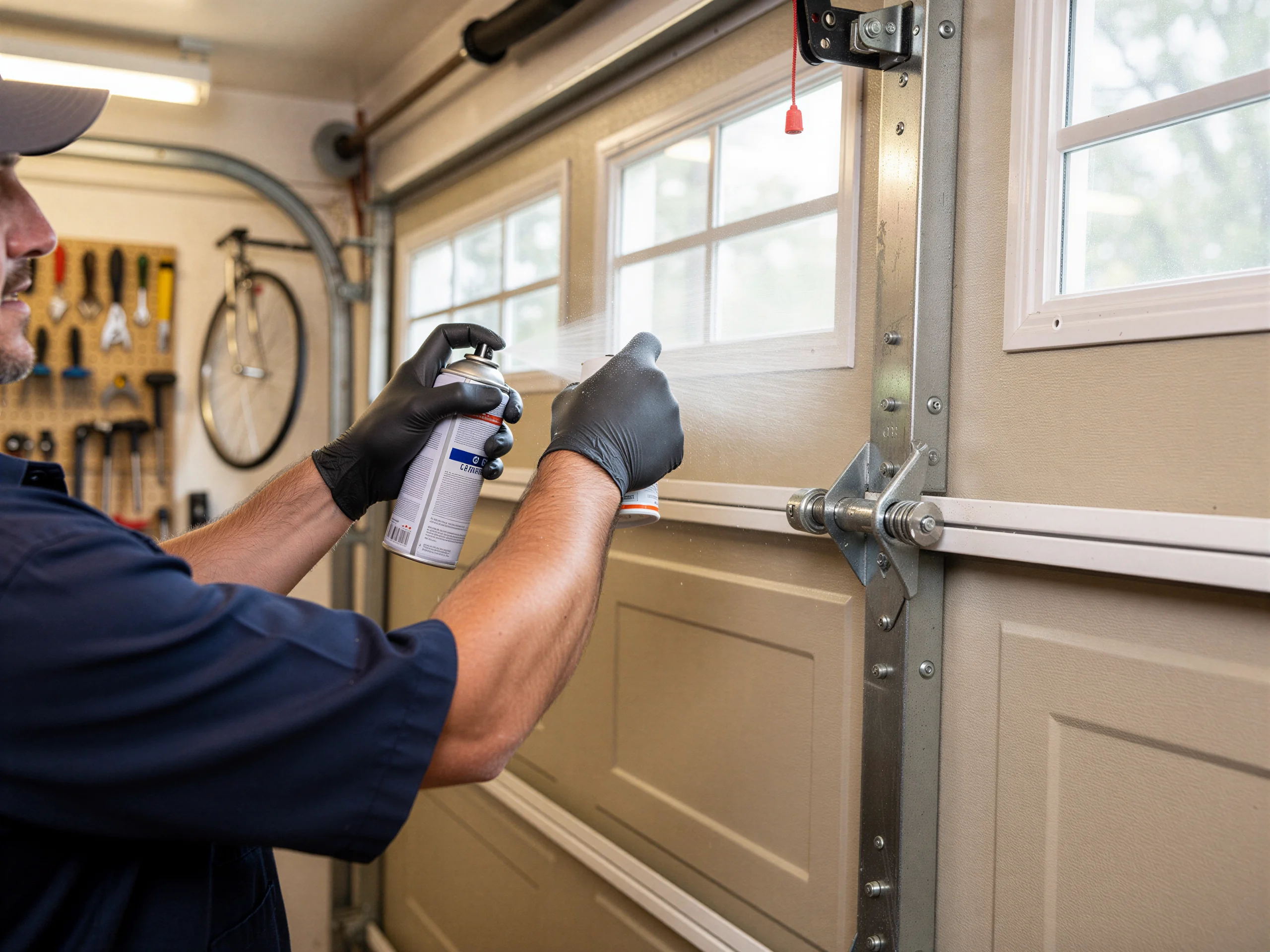
If yours is original, the steel is thinner than what gets installed today, and the track alignment was never built for a quieter nylon roller. There's a limit to what you should touch yourself. Lubricating rollers and hinges, tightening visible bolts on the track brackets, and testing the auto-reverse by setting a 2x4 under the door are fine.
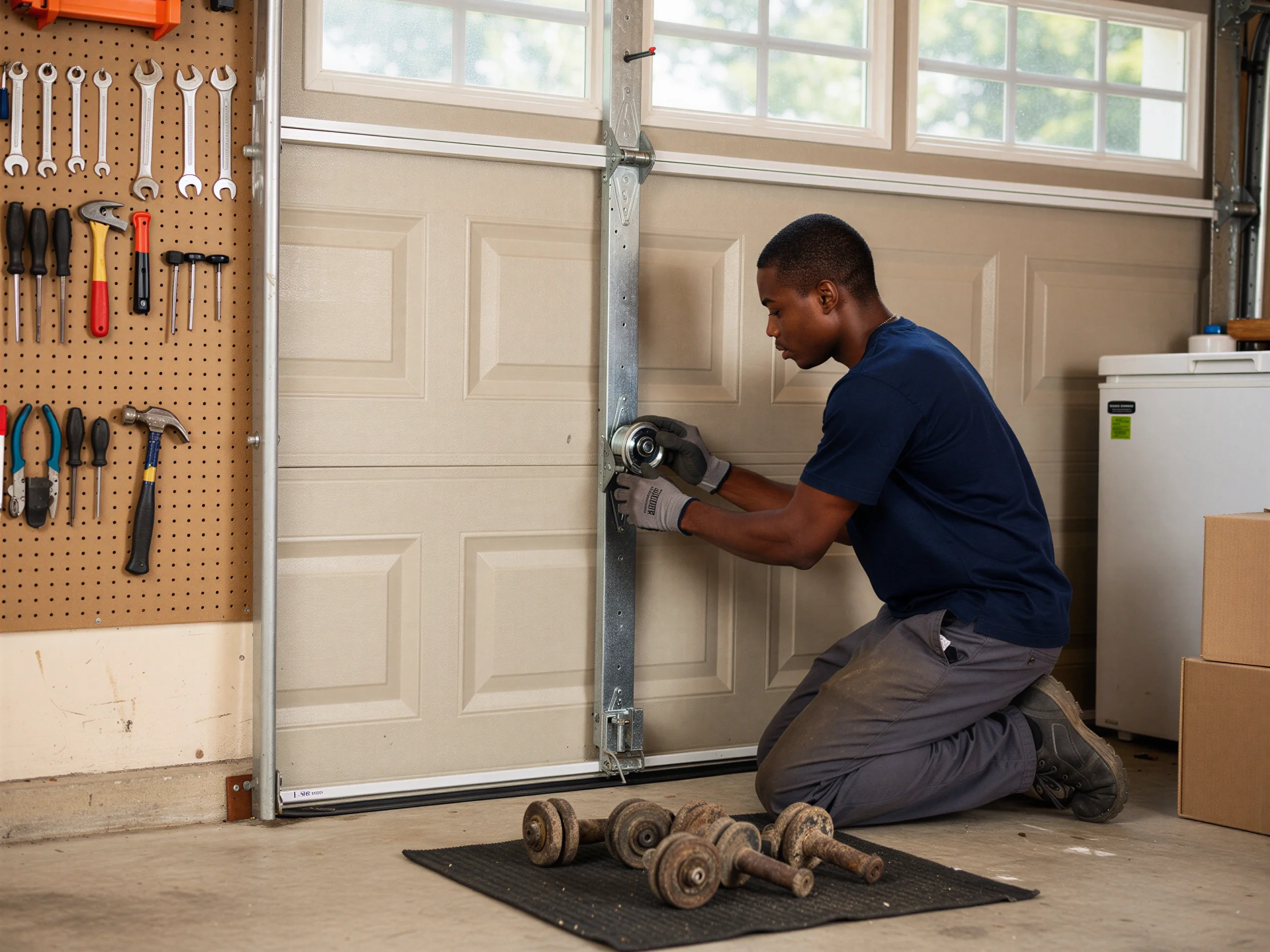
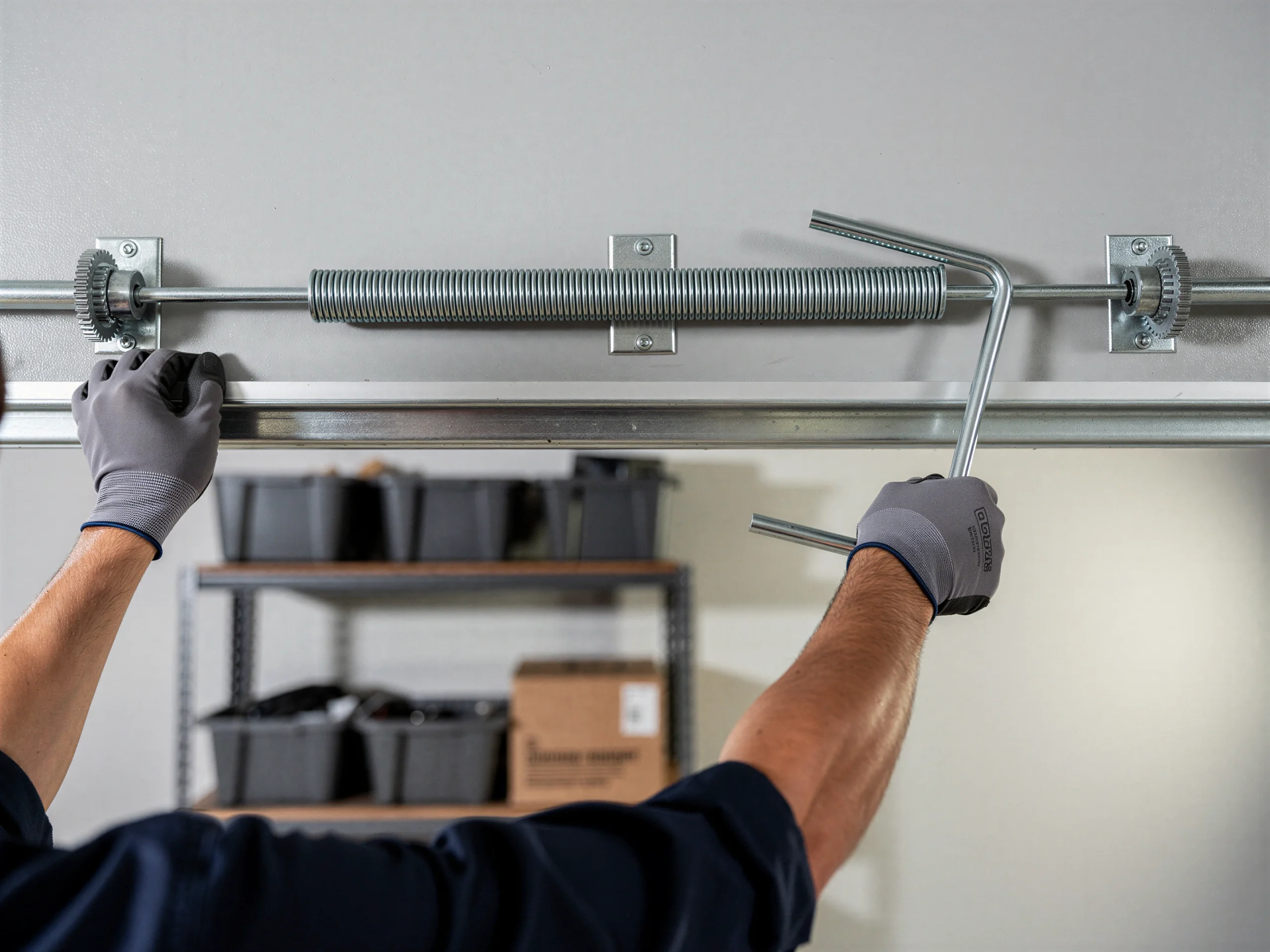
Touching the torsion spring, the cable drums, or anything under tension is not - a 1970s torsion spring under full wind can break a wrist or worse, and we don't recommend any homeowner attempt that job, period. If the door won't move, or moves unevenly, stop and call rather than force it with the manual release.
Booking
We run out of Tualatin, about 9 miles from Oatfield, so there's no local branch or drop-in counter here - every job starts with a phone call or a booking request where you describe the door, the age of the house if you know it, and what it's doing (or not doing). We ask about the house because 1970s hardware often needs parts a 2005-built door down the street wouldn't.
We schedule the truck for a window, confirm by phone, and bring parts sized for what we expect based on what you tell us - then adjust on site if the door surprises us, which an original-hardware door from this era sometimes does. Oatfield jobs aren't different in process from anywhere else we cover; they're different in what's waiting behind the panel.
On the truck
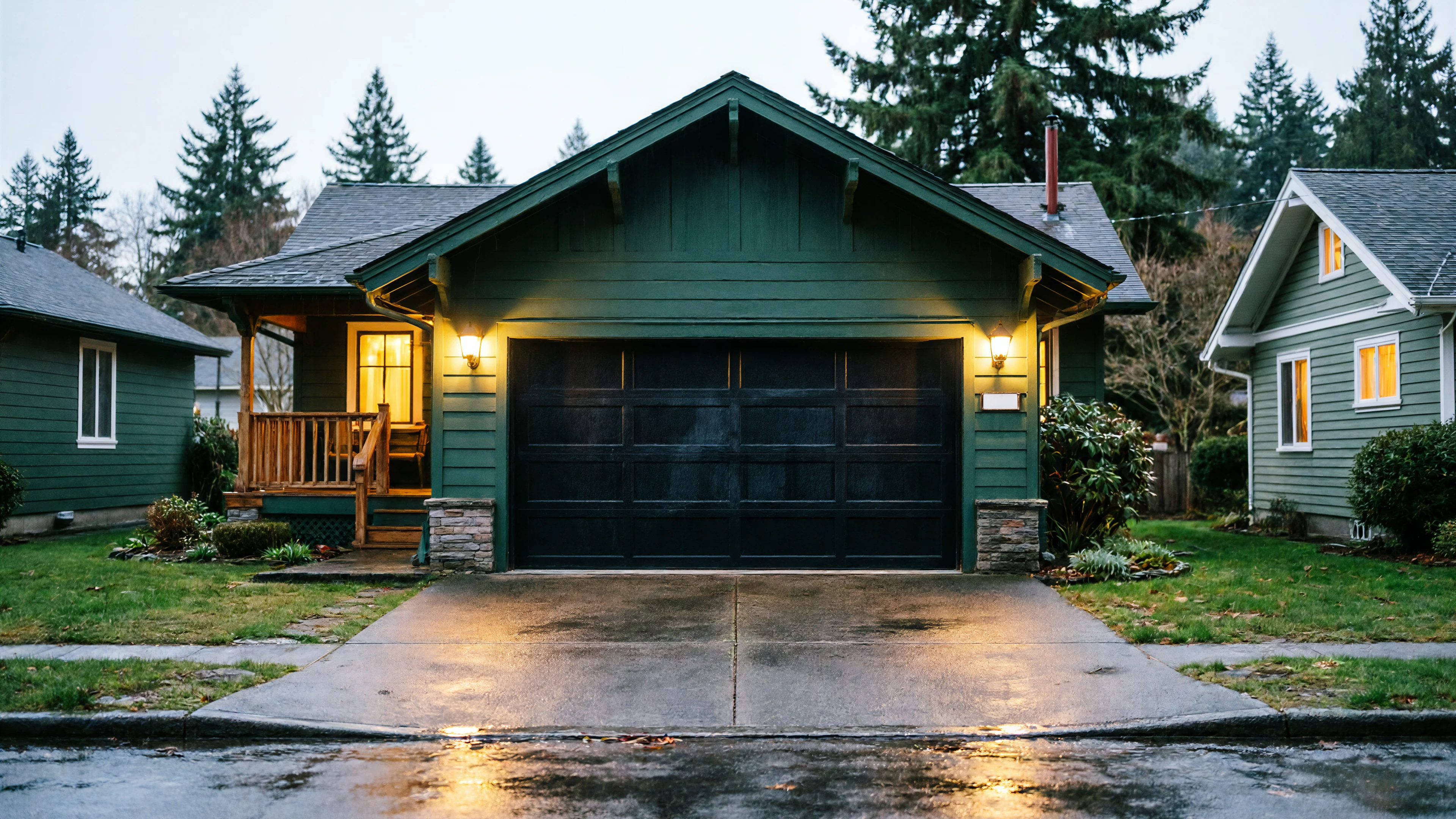
For a town built mostly in the 1976 window, the two most common calls are a snapped torsion spring sized for an older lightweight steel door, and worn extension spring pulleys on houses that went the cheaper route in the 1970s.
We stock torsion springs across a wide range of wire sizes and wind lengths specifically because original hardware from this era wasn't standardized the way it is now - a spring that fits a 1995 door often doesn't fit a 1976 one.
We also carry replacement rollers, cables, and track sections that match the narrower rail width common on doors from that build period, along with modern openers for anyone ready to retire a chain-drive unit that's outlived its warranty by decades.
What we don't stock on the truck is obsolete decorative hardware or discontinued panel skins for doors no manufacturer has made in years - if your door needs a cosmetic match like that, we'll tell you honestly rather than promise a part we'd have to chase down.
Our process
First we look at the door itself before touching the opener - on a house from the mid-1970s, the fault is usually mechanical, not electronic.
A broken spring gets replaced with a correctly wound, correctly sized one rather than whatever was closest on the shelf; undersized springs are a common shortcut that just brings the same homeowner back in a year.
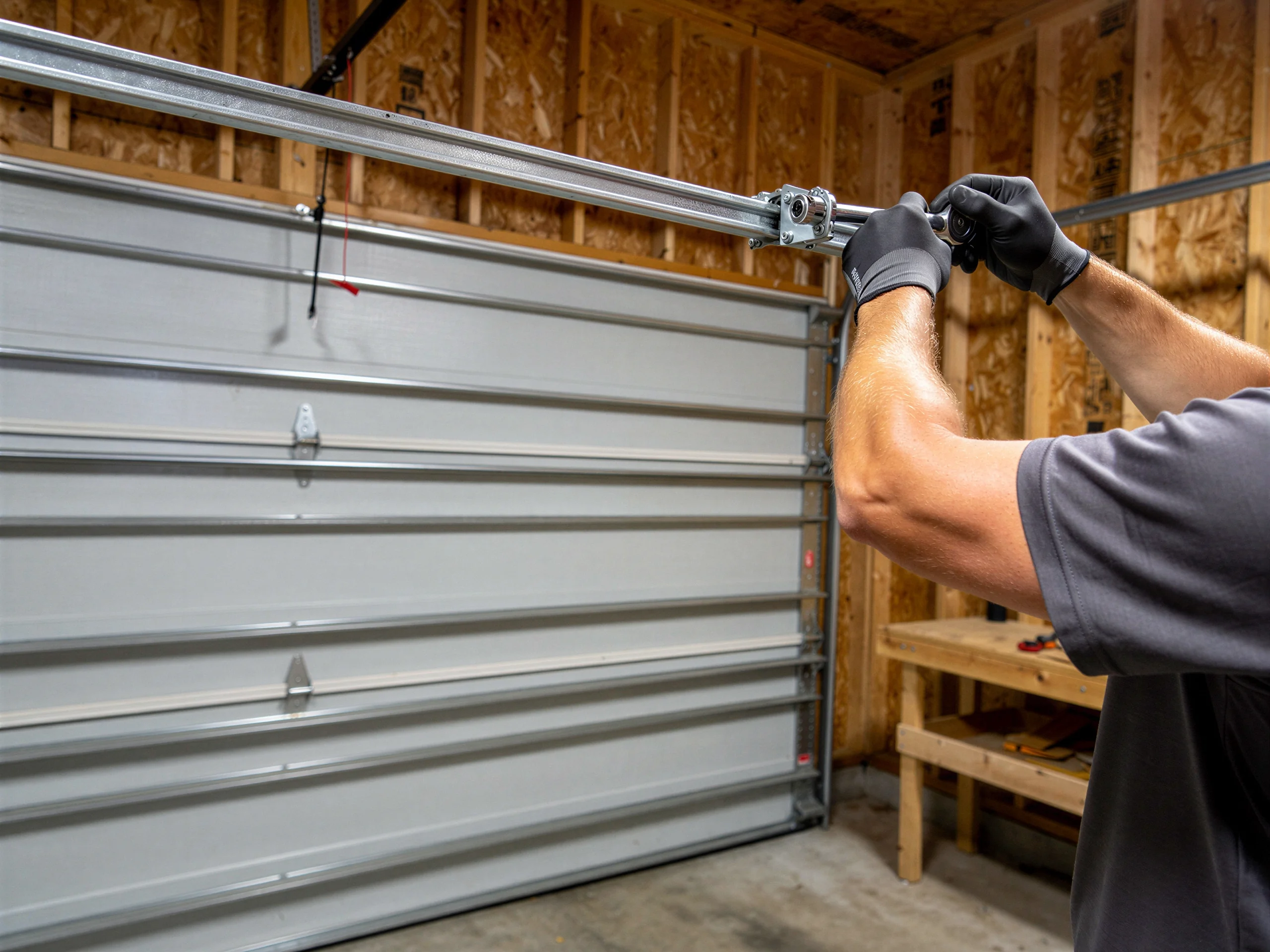
If the track is bent or the rollers are the original steel ones (noisy, and they wear the track faster than nylon), we replace the run rather than patch one section, since mismatched track heights cause binding.
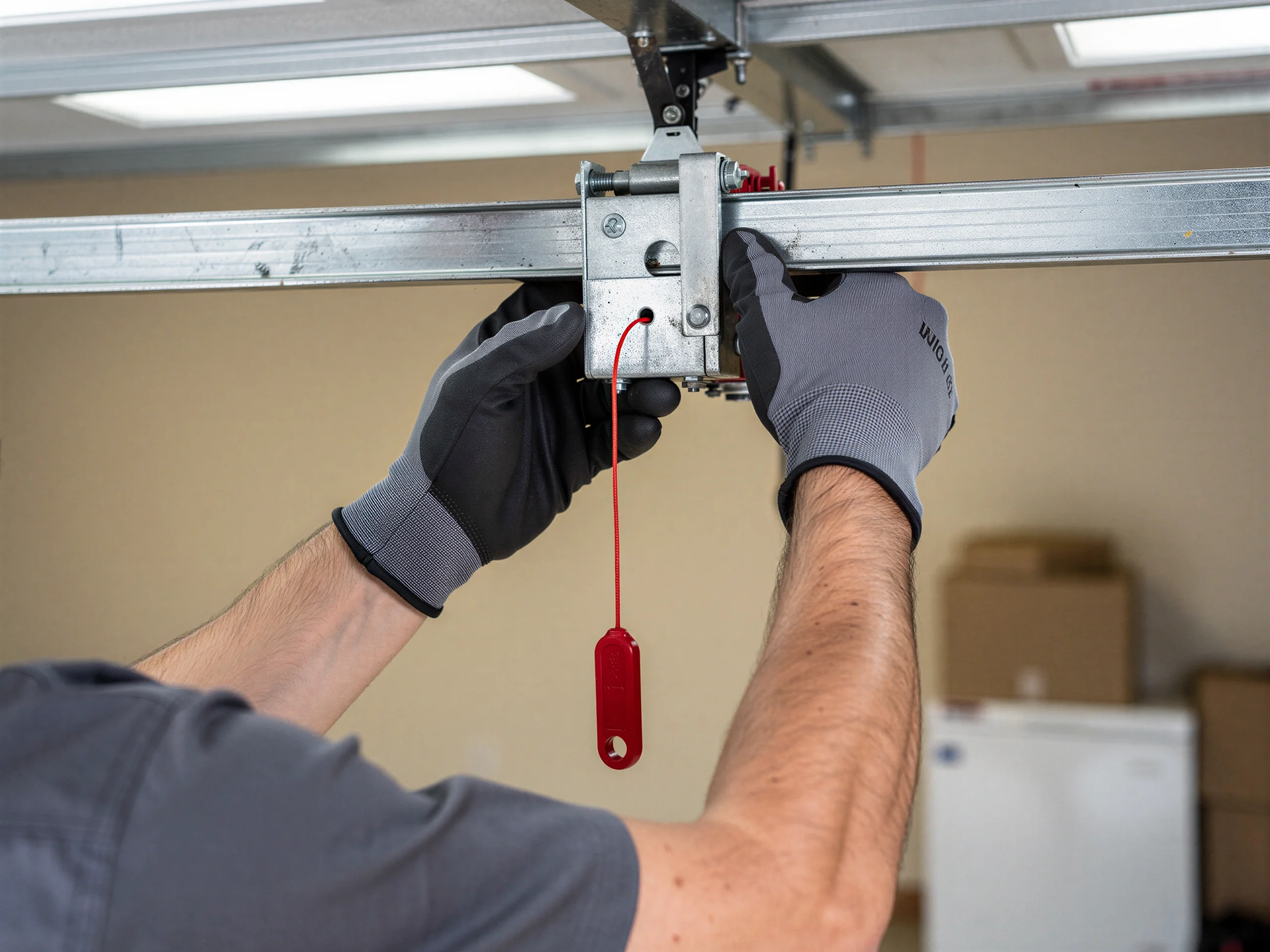
For openers, we test the travel limits and the force settings - many older setups were adjusted once at install and never touched again, and that's often behind doors that reverse for no clear reason. We test the balance by hand once the repair's done, not just by running the opener.
Watch-outs
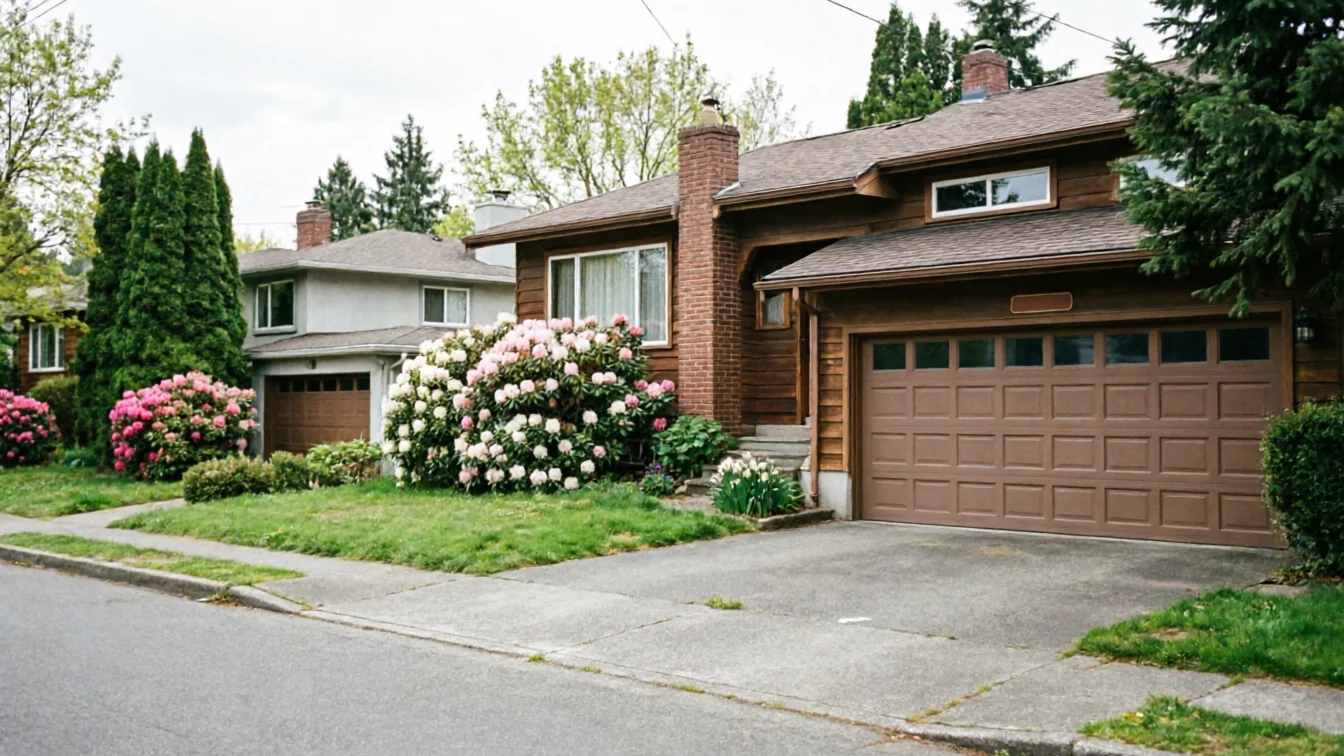
This part of the service area sits in a cold moderate climate band, which over fifty winters does real work on steel that was never insulated or galvanized to today's standard. Panels on original 1976 doors can show rust at the bottom seam and slight warping where condensation sat against the steel for decades - that's a different failure point than a spring or a track, and it usually means the panel, not just the hardware, needs attention.
The honest complication: on a door that old, sometimes the repair costs more than it's worth. If the springs, rollers, and bottom panel are all failing at once, we'll say so rather than keep billing for piecemeal fixes on a door that's due for replacement. We'd rather tell you that on the phone than after three separate truck visits.
Questions
It's possible, especially if no one's mentioned a replacement. A 1976-era original would be single-layer steel with no insulation, likely on older torsion or extension hardware. If you're not sure, tell us the house's build year when you call and we'll bring parts sized for that generation as a starting point.
No. We're based in Tualatin, about 9 miles away, and drive out for every job in Oatfield. There's no local counter or drop-in location here - booking is by phone or online request, same as the rest of the area we cover.
Torsion springs have a rated cycle life, and on a door installed around 1976 that spring has likely done its full lifespan of opens and closes already. Rust from cold, damp winters also weakens the coil over time. It rarely gives warning before it goes.
Depends what's failing. If it's just a spring or rollers, repair makes sense. If the panel's rusted or warped at the bottom and the hardware is also worn, we'll usually tell you replacement costs less over time than repeated fixes on steel that's reaching the end of its life.
Explore more
Ready when you are
Tualatin Garage Door Pros repairs and installs garage doors, springs and openers in Tualatin, OR and the surrounding area.