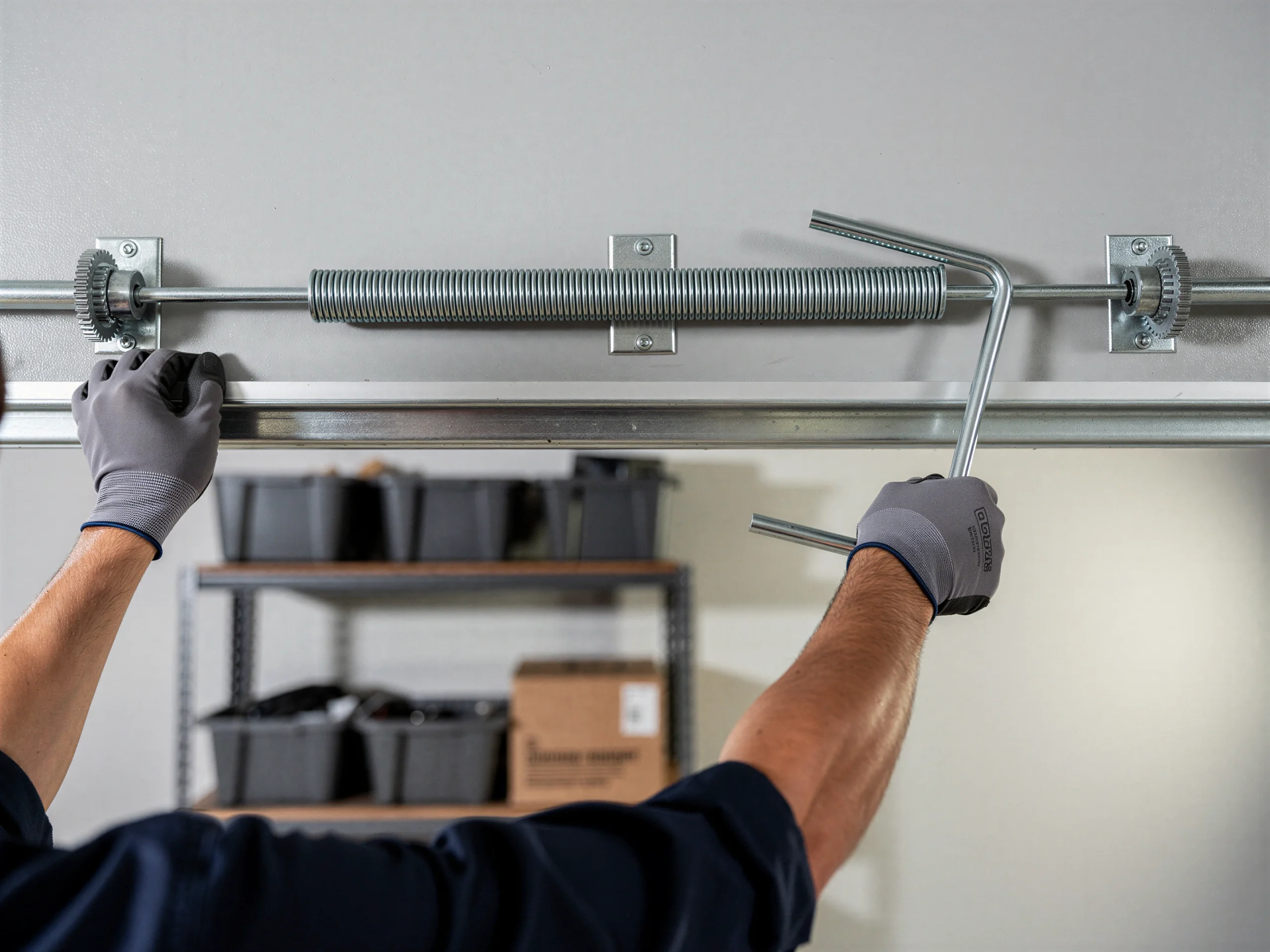
Extension spring simplicity trap
Extension springs look simpler, and that's exactly why people get hurt on them - there's no shaft to hold the tension in check once a cable slips or an eye bolt snaps.
Oatfield, Tualatin
Oatfield homes median-built 1976 often still run original extension springs. We drive 9 miles from Tualatin to replace them with torsion hardware built for this climate.
DIY or pro
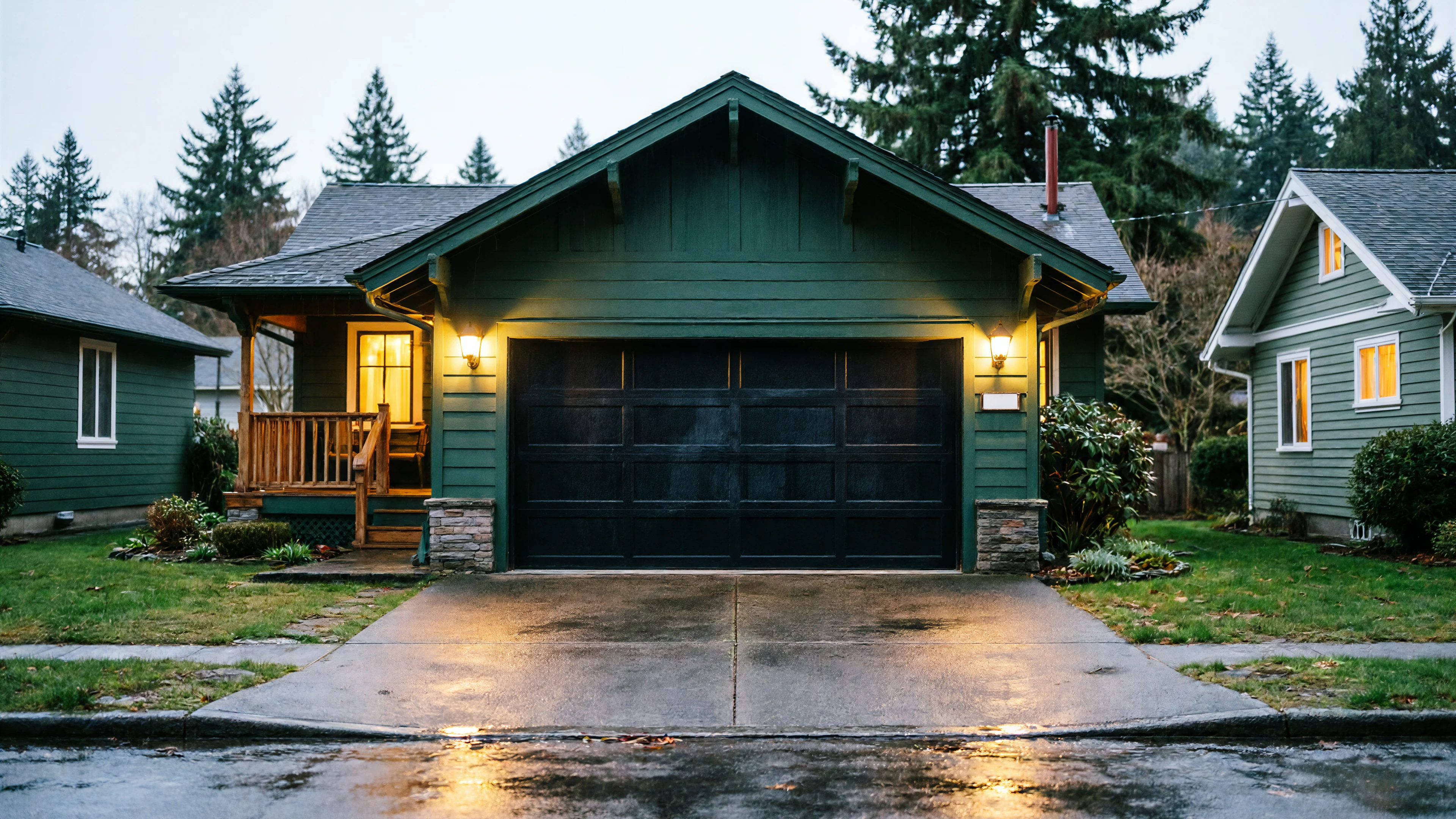
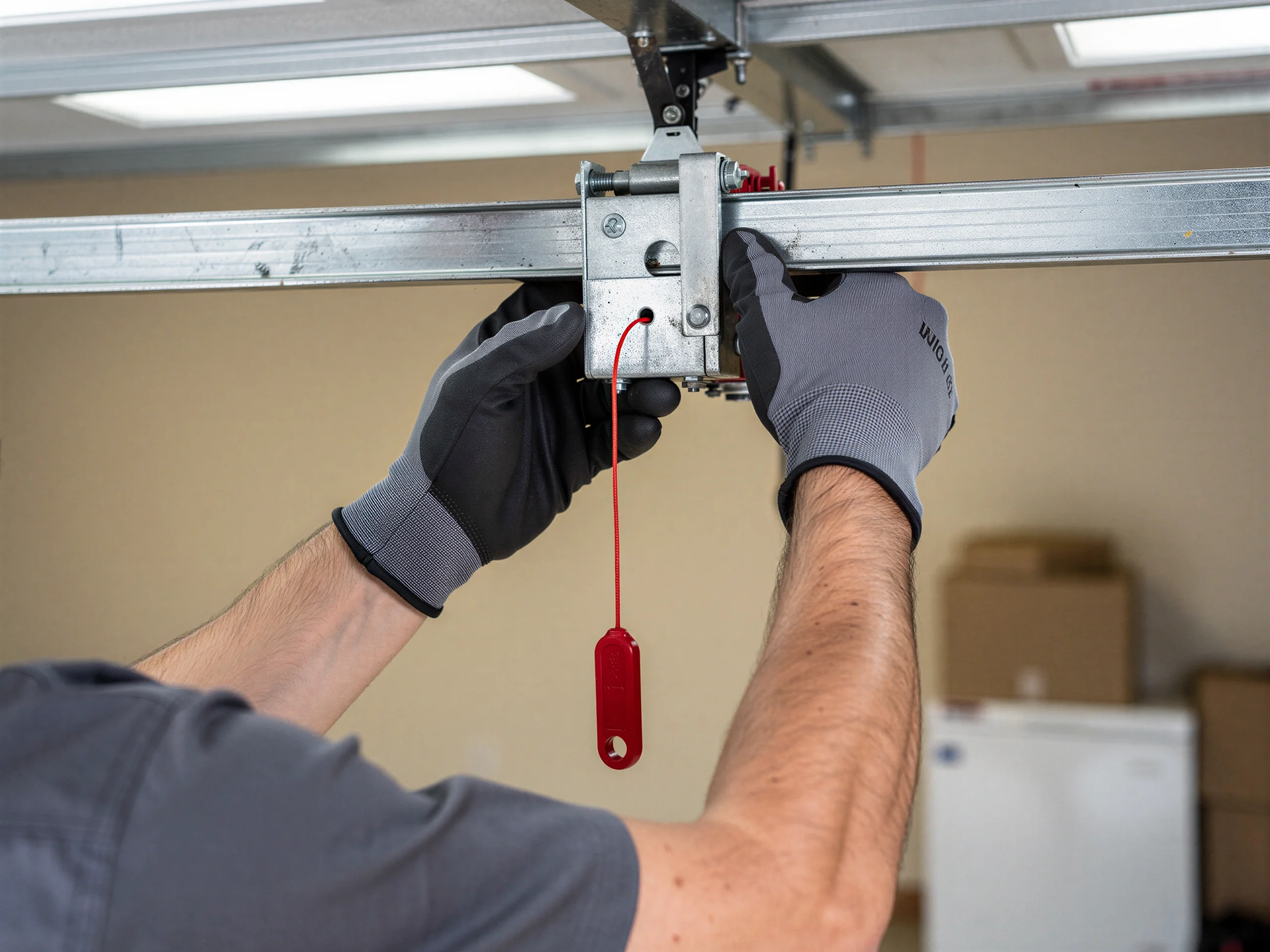
Oatfield's median house went up in 1976, and a lot of that stock has never had its garage door spring touched since. That usually means a pair of extension springs stretched above the horizontal track, not a torsion bar over the door.
Extension springs look simpler, and that's exactly why people get hurt on them - there's no shaft to hold the tension in check once a cable slips or an eye bolt snaps.
If one side has already let go, the other is carrying the full load of the door and can kick back hard when you touch it. We're not going to tell you it's impossible to do safely. Some homeowners with the right winding bars and a spring that matches the door's weight do it fine.
What we will say is that a 46-year-old eyebolt bracket is not a place to improvise, and if you don't already know the door's wire gauge and wind, you're guessing with something under load. If the door won't stay up on its own or the spring has visibly stretched unevenly, stop and call rather than finish the job with a ladder under a loaded spring.
Booking
We run out of Tualatin, about 9 miles from Oatfield, so we don't keep a separate crew or depot here - you're booking the same trucks that cover the rest of the service area. Call and tell us what the door's doing: won't open, opened and then wouldn't budge, one side hanging lower than the other. That tells us whether to bring torsion springs, extension springs, or both, since houses on this stretch were built across a long enough span (1964 to 2006 area-wide) that we can't assume which one is on your door until we hear it described or see a photo.
We'll give you a window when we book, not a guess made over the phone before we've seen the door. If you can send a picture of the spring area above the door ahead of time, it speeds up the visit - we show up with the right spring instead of making a second trip.
On the truck
Because Oatfield's housing sits inside a 1964-2006 build range, we stock both sides of the spring question: torsion springs on steel shafts for the newer end of that range, and extension springs with safety cables for the older single-piece doors common closer to the 1976 median.
We carry a run of torsion bar sizes rather than one-size-fits-all, since a door built in 1976 and one built in the late '90s don't take the same spring even if they look similar from the driveway.
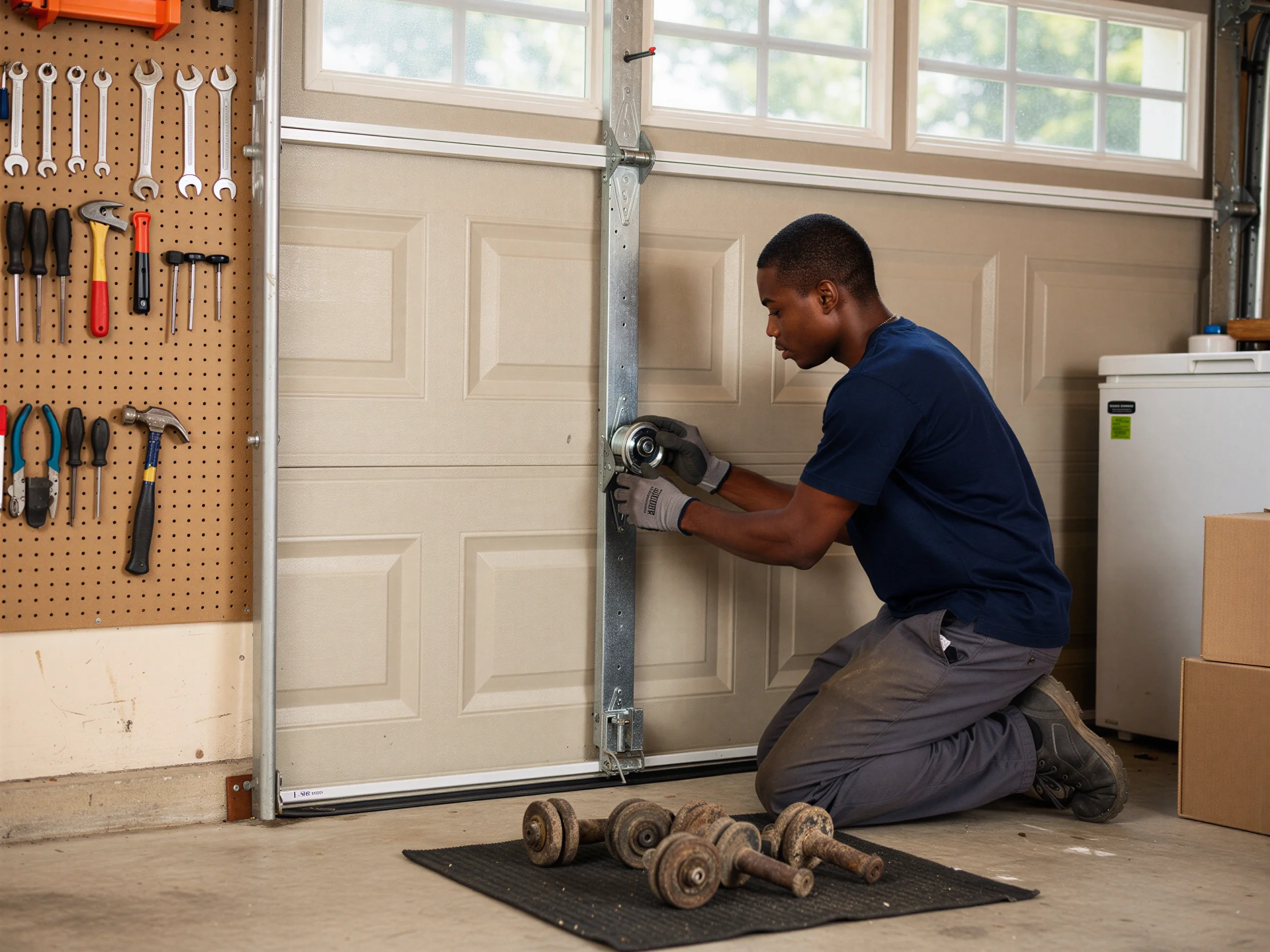
We also carry the hardware that tends to fail around the spring itself - end bearing plates, cable drums, and the stationary cones that corrode on extension systems.
Replacing just the spring and leaving a worn drum or bearing plate is how you end up calling again in six months, so if that part's visibly worn we'll point it out before we close up the door.
Our process
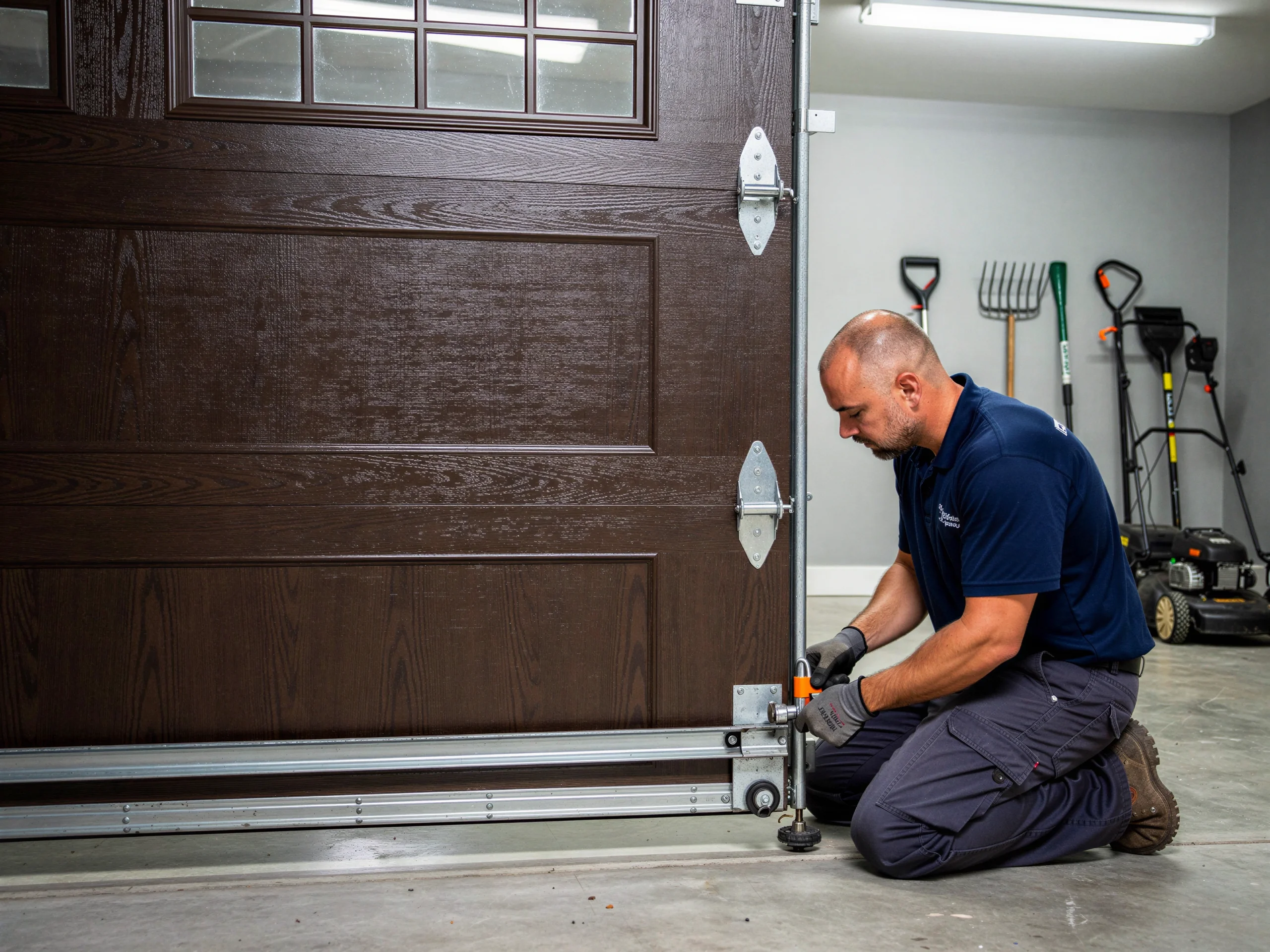
First we unload the door - bar clamps or a C-clamp on the track, depending on the setup, so there's no stored tension while we work.
Then we pull the old spring, check the drums, bearing plates, and cable condition, and confirm the door's weight against the spring we brought. If the door's never been serviced since 1976, we're also checking the track alignment and the header bracket, since original hardware that's never been touched tends to have shifted slightly over four and a half decades even if nobody noticed.
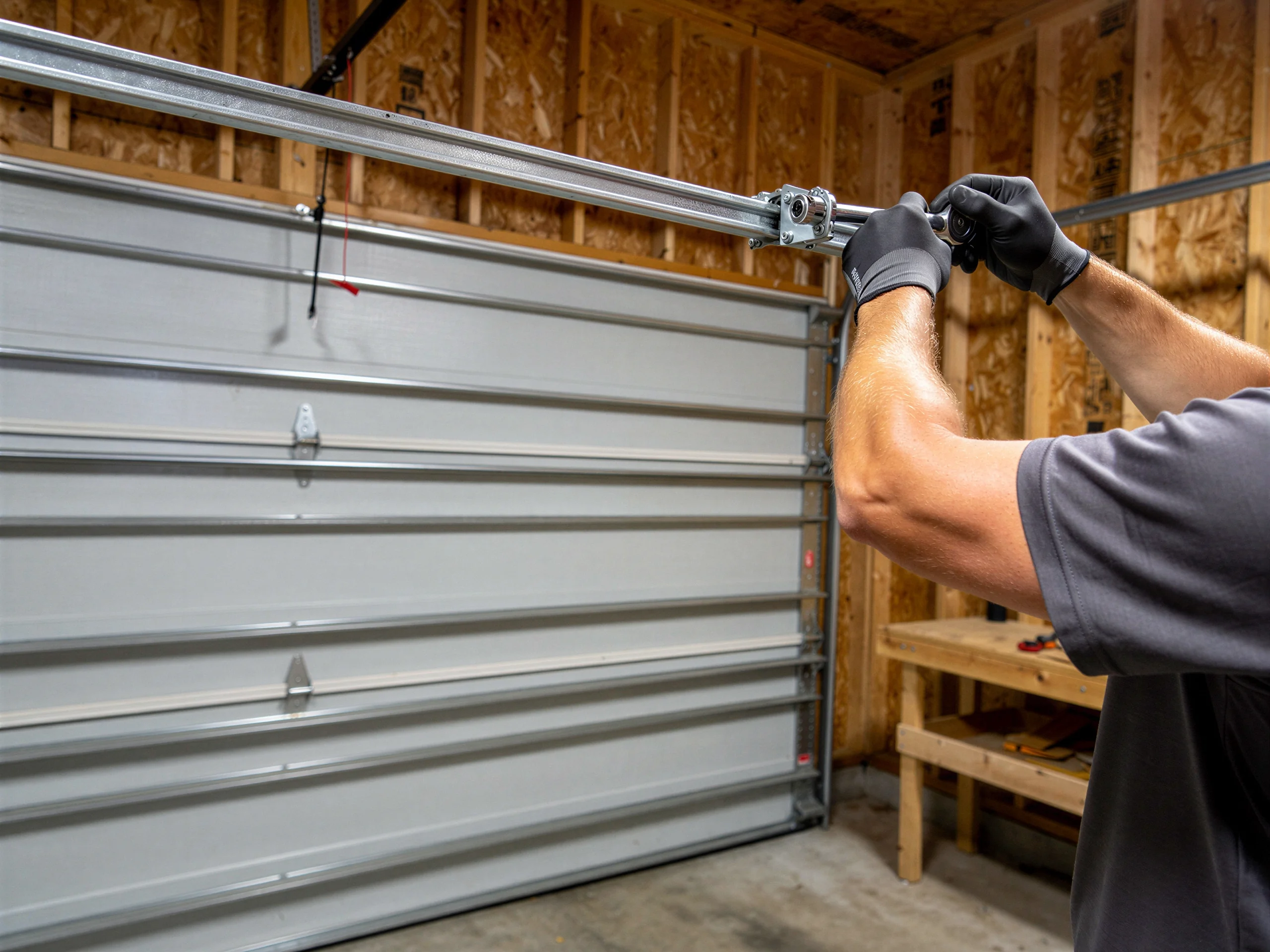
Once the new spring's wound to the right tension for that door's weight, we cycle it by hand before plugging the opener back in, checking that it holds position at the halfway point without drifting up or down.
A door that creeps on its own after a spring job means the tension's off, and we'd rather catch that with the door still open on a clamp than leave it for you to find out later.
Watch-outs
This area sits in a cold-moderate climate band, and springs that have sat outside that long go through enough temperature swing each year to lose their coating faster than one that's kept warm and dry. On original 1976-era hardware, that often means surface rust on the coils themselves, not just the mounting brackets - rust changes how the spring flexes and can mean it fails sooner than its rated cycle count would suggest.
The other complication is parts matching. With Oatfield's houses spread across a 1964-2006 build window, we sometimes find a door that's had one spring replaced at some point with a mismatched size - usually because an extension spring that's close but not exact got installed to get the door working again fast. If that's the case, we'll tell you rather than just matching what's already wrong on the other side.
Questions
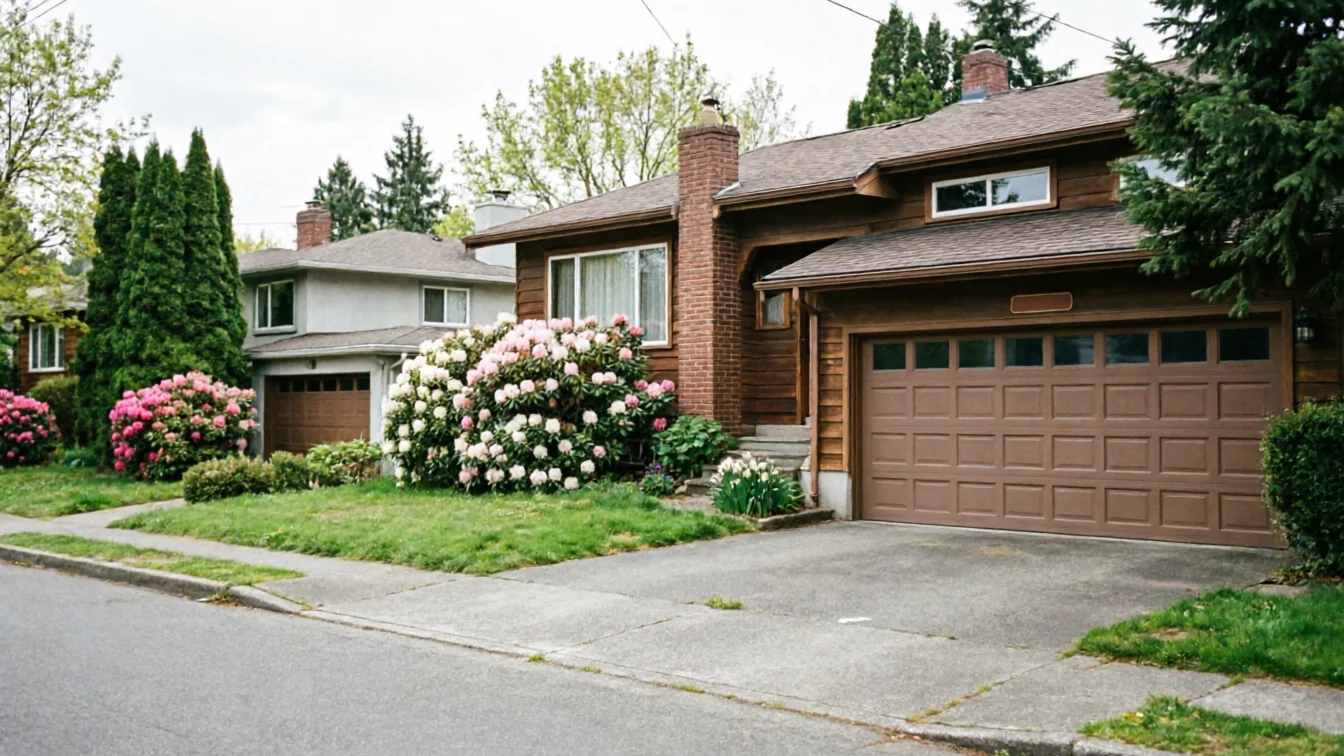
With the median house here built in 1976, a lot of springs are original or close to it - meaning 40-plus years old if nobody's replaced them. Steel fatigues with use regardless of rust, so age alone is a reason to have one checked even if it hasn't broken yet.
No. We work out of Tualatin, about 9 miles away, and drive out for the job. There's no separate local crew or depot here - booking Oatfield work means booking the same trucks that cover the rest of the area.
It depends on when the door was installed, not just when the house was built, since doors get replaced over time. Houses from the 1976 era often still have extension springs mounted above the horizontal tracks; newer installs in the area tend to run torsion bars over the door opening.
If the drums, cables, and bearing plates are also worn and the door itself is near the end of its life, putting a new spring on old hardware can mean another service call soon after. We'll flag that rather than just swap the spring and move on.
Explore more
Ready when you are
Tualatin Garage Door Pros repairs and installs garage doors, springs and openers in Tualatin, OR and the surrounding area.