
Both springs swapped
Both springs get replaced together even if only one broke, because the survivor is already most of the way to its own failure and nobody wants a second call for the same door.
Stafford, Tualatin
Spring repair for Stafford, OR homes built around 1976, five miles out from our Tualatin shop. We bring the right torsion springs for this area's hardware on the first trip.
Booking
Stafford sits five miles out from our shop in Tualatin, which is a straight run down the same stretch of road most calls here travel.
That drive is short enough that we don't pad the schedule with slack time the way we would for a job twenty miles out, so when you call about a broken spring, we're quoting you a real window, not a guess padded for traffic we don't expect to hit.
Tell us the door's make if you have it, whether it's one spring or two, and whether the door is stuck down or stuck up - that changes what's riding on the truck.
We don't keep a branch in Stafford itself; every job here is dispatched from Tualatin, so the five miles is baked into how we plan the day, not an afterthought tacked onto a route built for somewhere else. Book by phone or through the contact page and we'll confirm a time before the truck leaves.
Symptoms
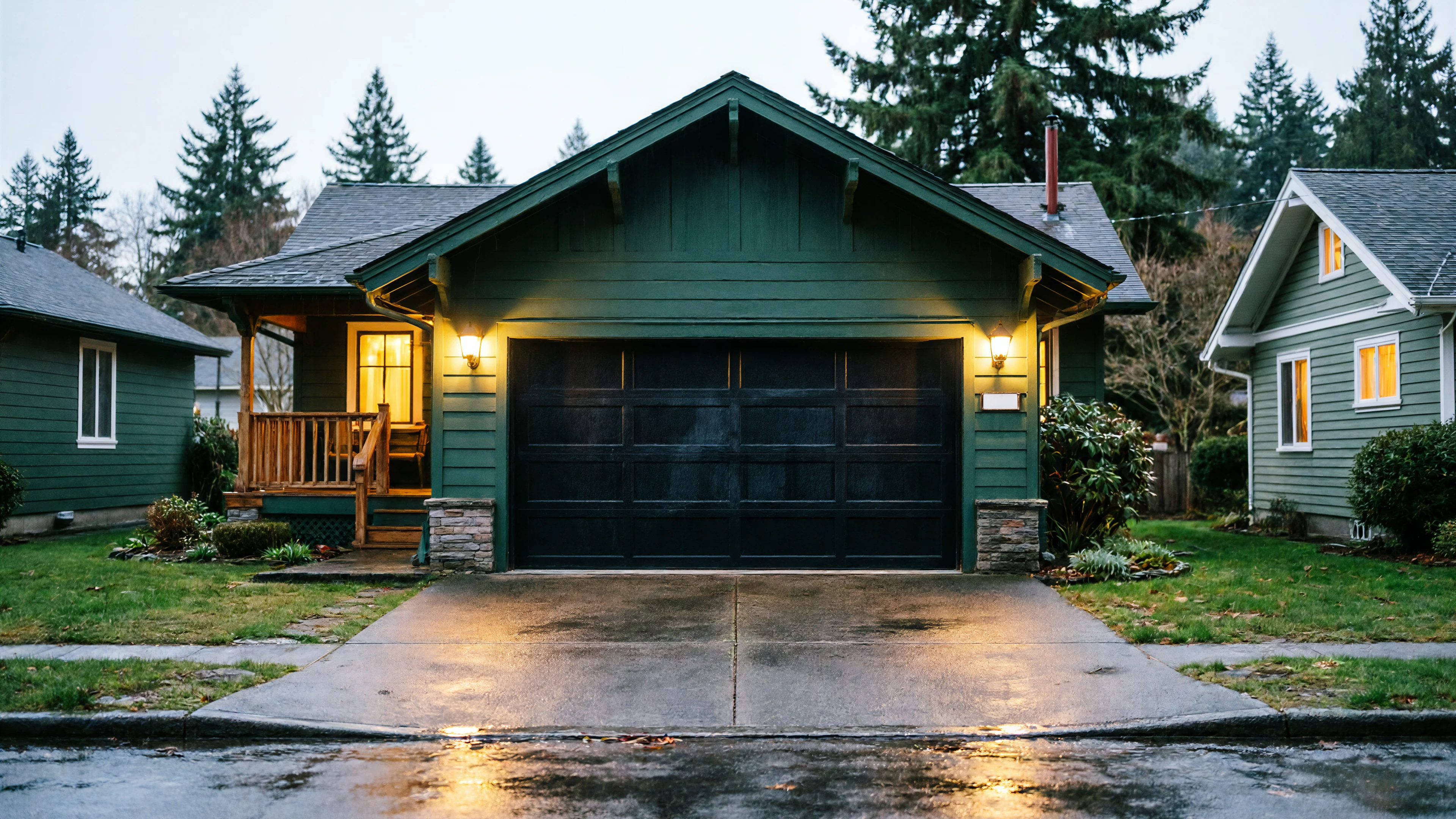
A torsion spring gives out with a bang most people hear from inside the house, and the door either won't budge or drops fast when the opener tries to lift it. On the Stafford homes we've looked at - mostly built around 1976, based on the area's housing - the symptom usually shows up as one spring snapped clean while the other is still holding, because factory-matched pairs rarely fail on the same day. That uneven load is what makes the door look crooked in the opening before anyone touches it. If your door came down hard and sits tilted, that's the tell. If it just won't open and the opener motor hums without moving anything, you're looking at the same failure, just caught before the second spring let go too.
On the truck
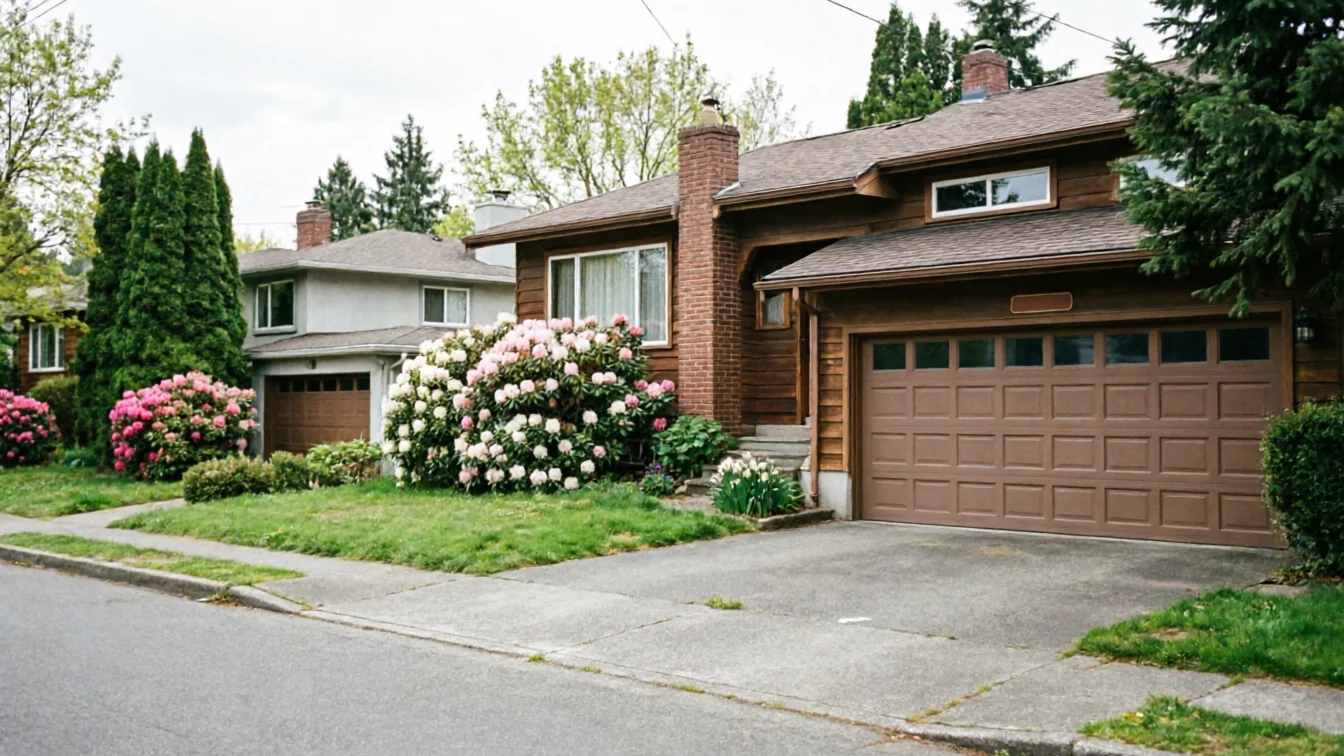
We stock torsion springs sized for the door weights and wire gauges common to homes built in the 1964-2006 window, which covers the bulk of what's on the truck for a Stafford call. A house from 1976 typically carries hardware a generation newer than the oldest stock in this service area but older than the 1990s builds that make up a lot of our other stops, so we carry both spring sizes rather than betting on one. What we don't carry is every obscure bracket from a door that's been swapped out twice since the house was built - if your setup is non-standard, we'll tell you on-site rather than force a part that's close but not right.
Our process
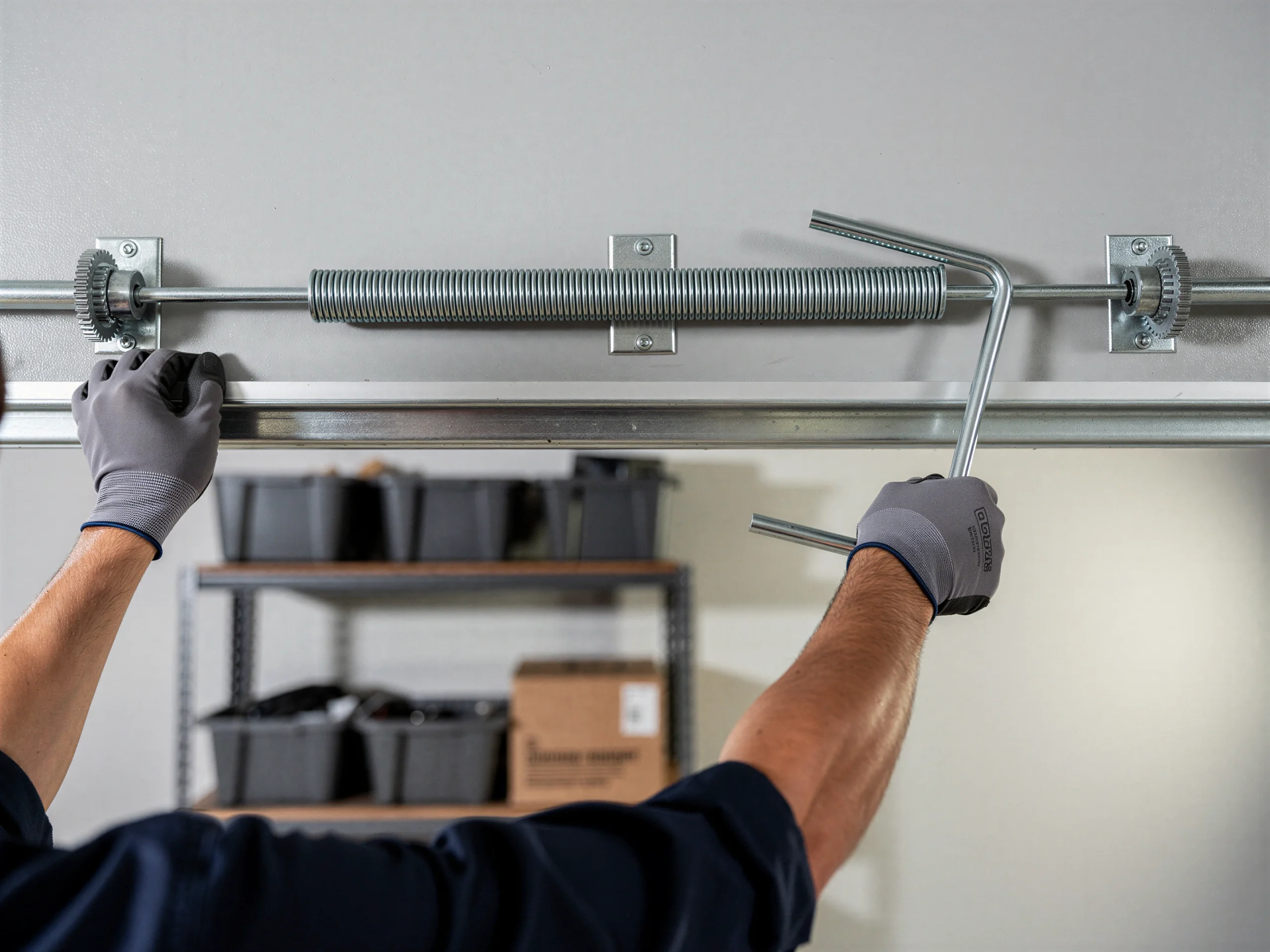
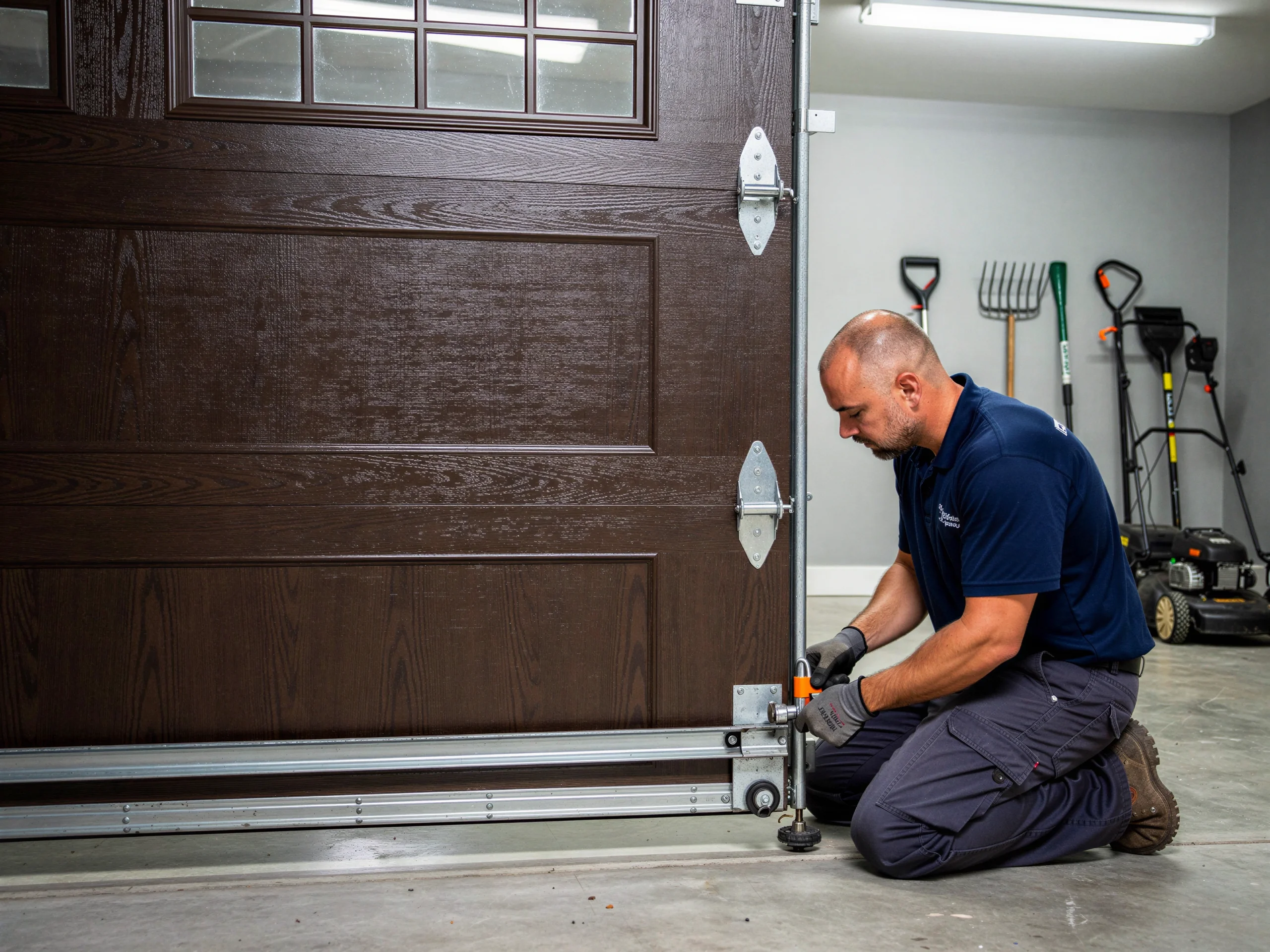
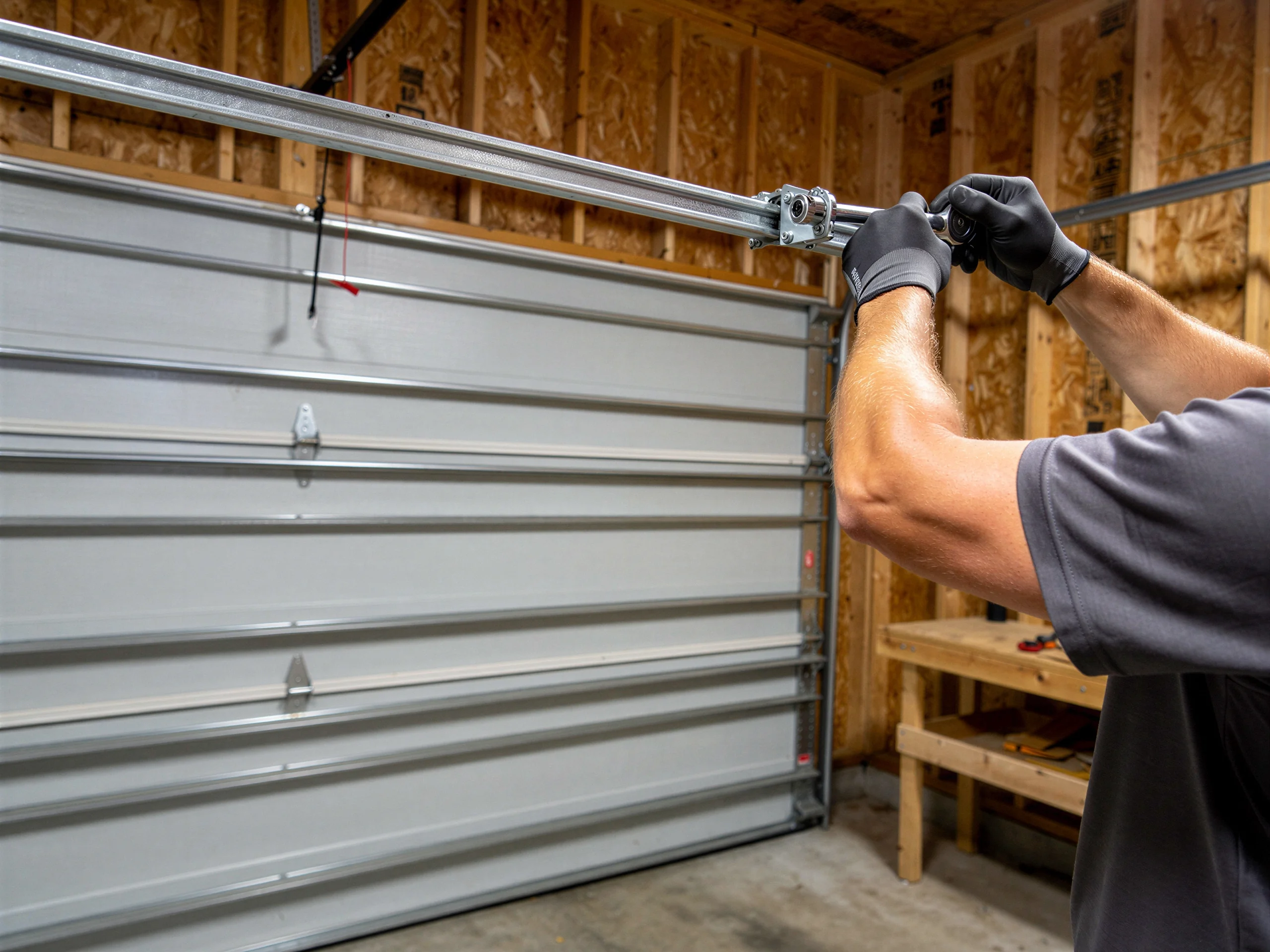
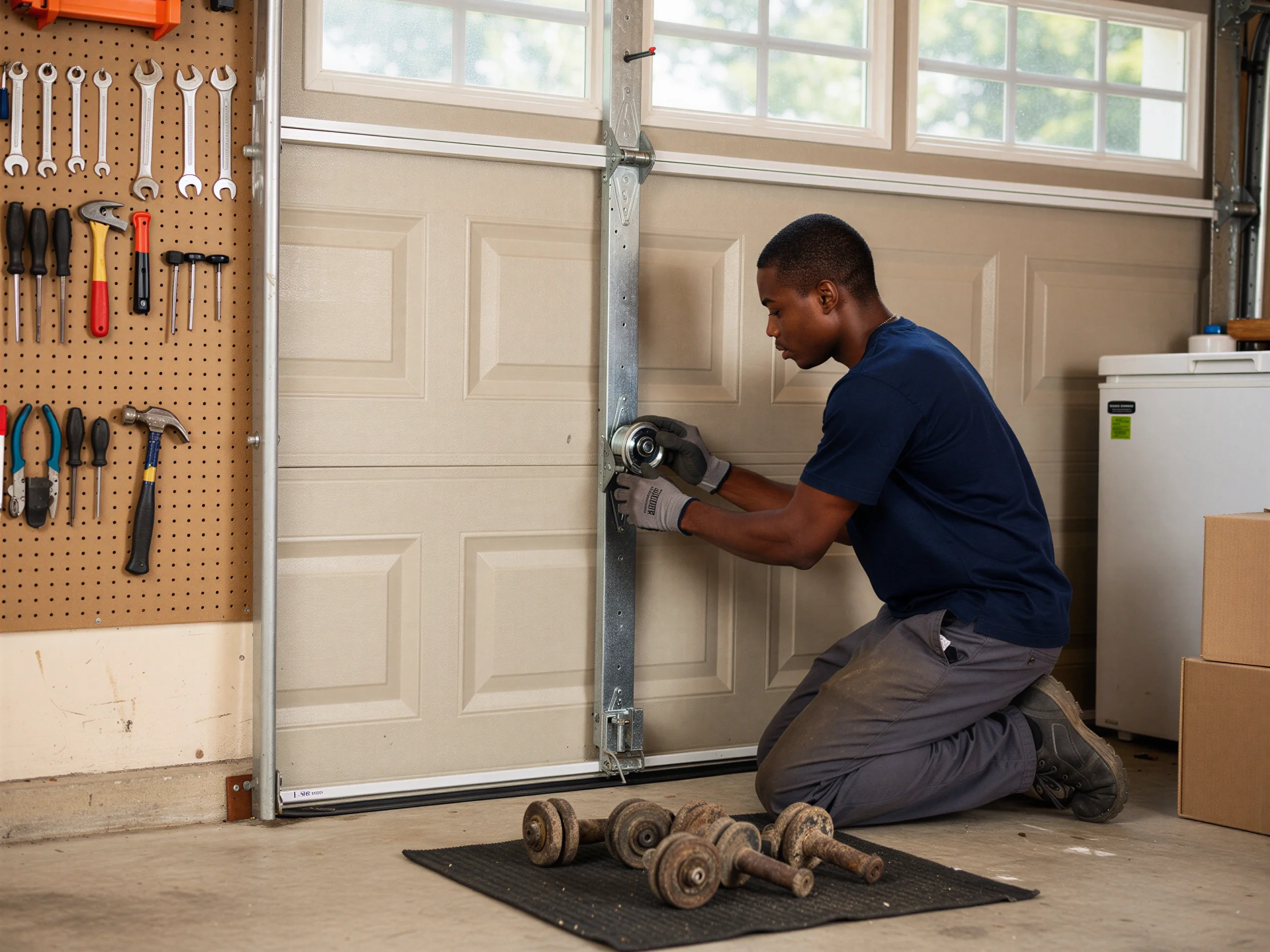
We unload the tension on the old spring with winding bars, pull it off the shaft, and measure the wire diameter and coil length against what's on the truck before anything goes back on.
Both springs get replaced together even if only one broke, because the survivor is already most of the way to its own failure and nobody wants a second call for the same door.
We check the cable drums and bearing plates while the shaft is exposed, since that's the one time it's cheap to catch a worn bearing before it scores the shaft.
Then we balance the door by hand - lift it halfway and let go - and it should hold level on its own. If it drifts, we adjust the winding cones until it does, then run the opener through a full cycle to confirm the travel limits still match the new spring tension.
DIY or pro
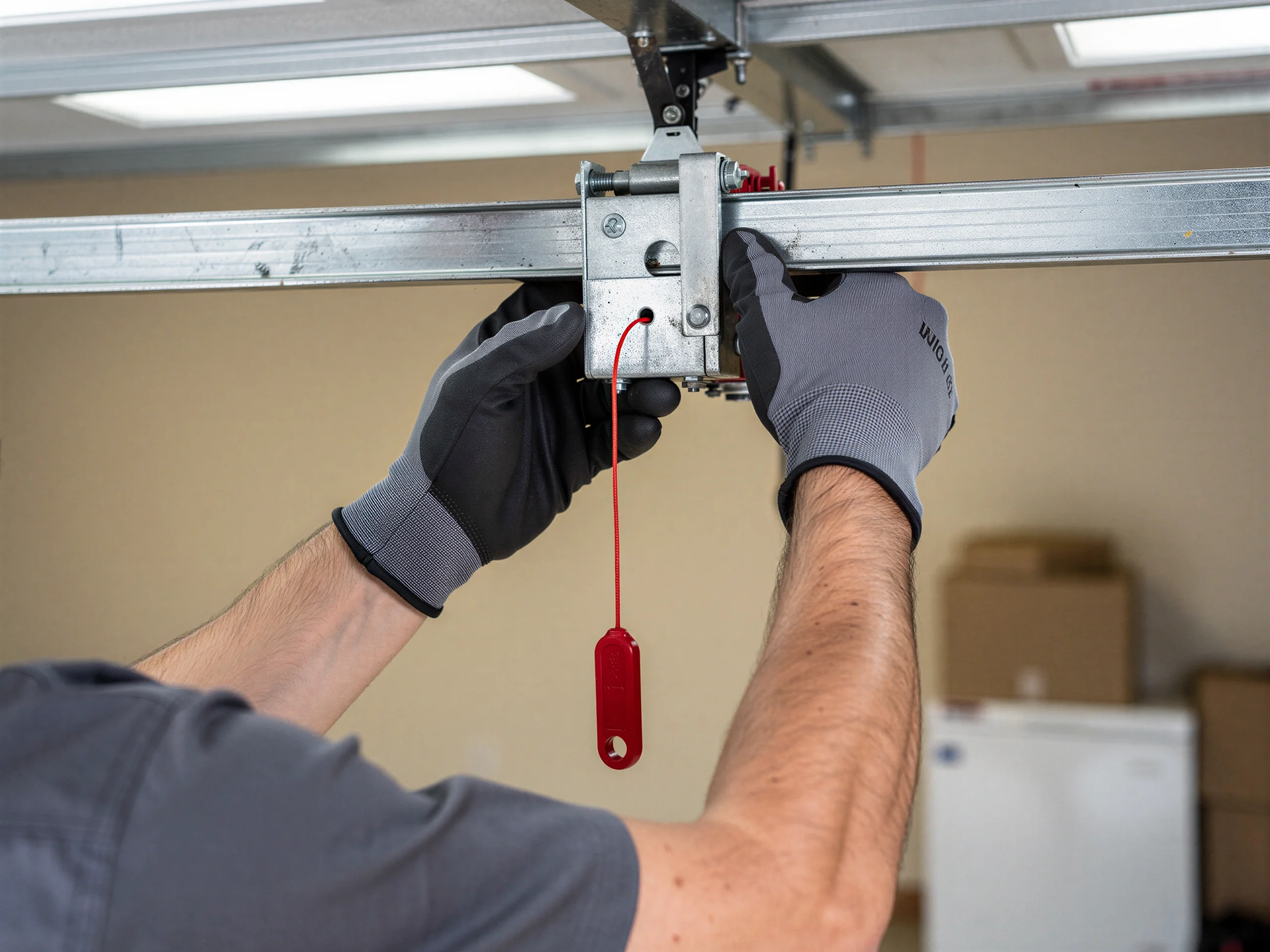
A torsion spring is under enough stored tension to break a hand or worse, and that's true whether the door is five years old or fifty. We're not going to walk you through winding one yourself - this is the one job on a garage door we tell every caller to leave alone, no exceptions. What you can safely check first: whether it's actually the spring or just a dead opener logic board, which looks similar from the driveway but costs nothing to rule out. Pull the manual release, lift the door by hand, and see how heavy it feels. If it's light and balanced, the spring's probably fine and the problem is electrical. If it's dead weight, call it in.
Local causes
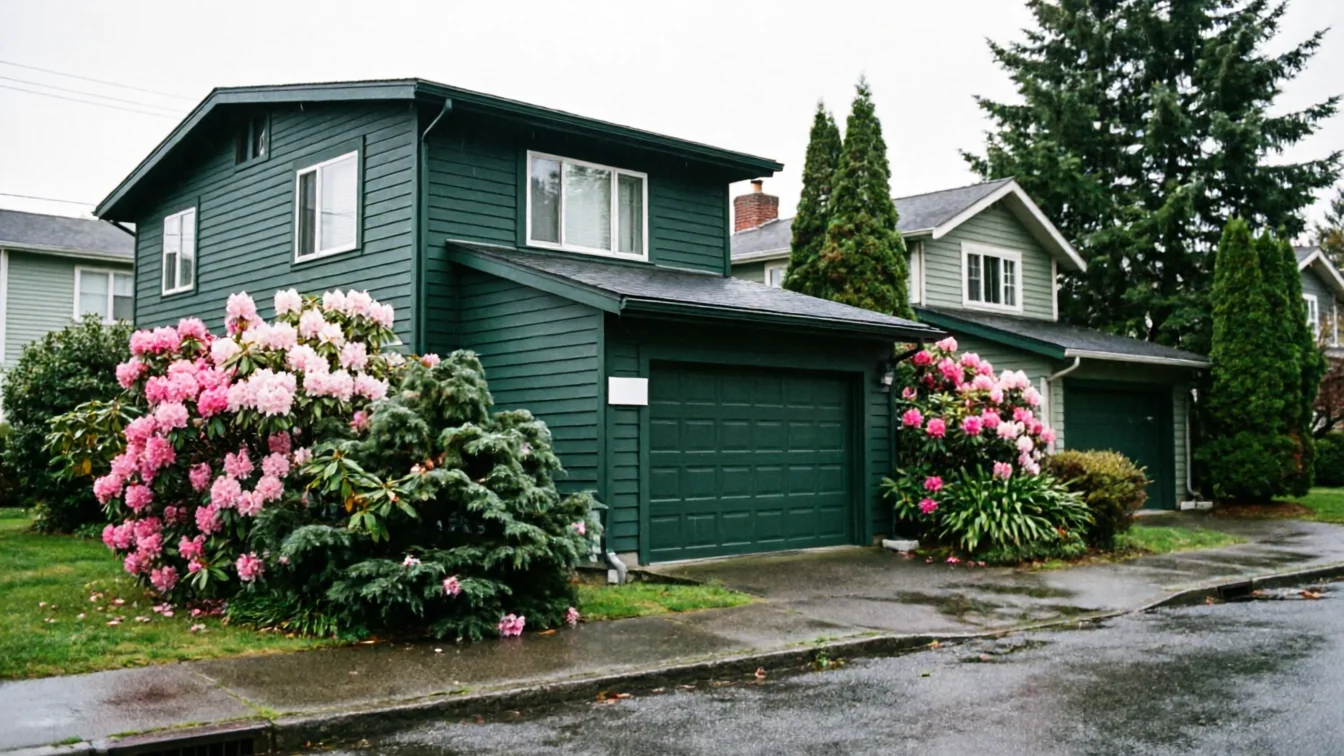
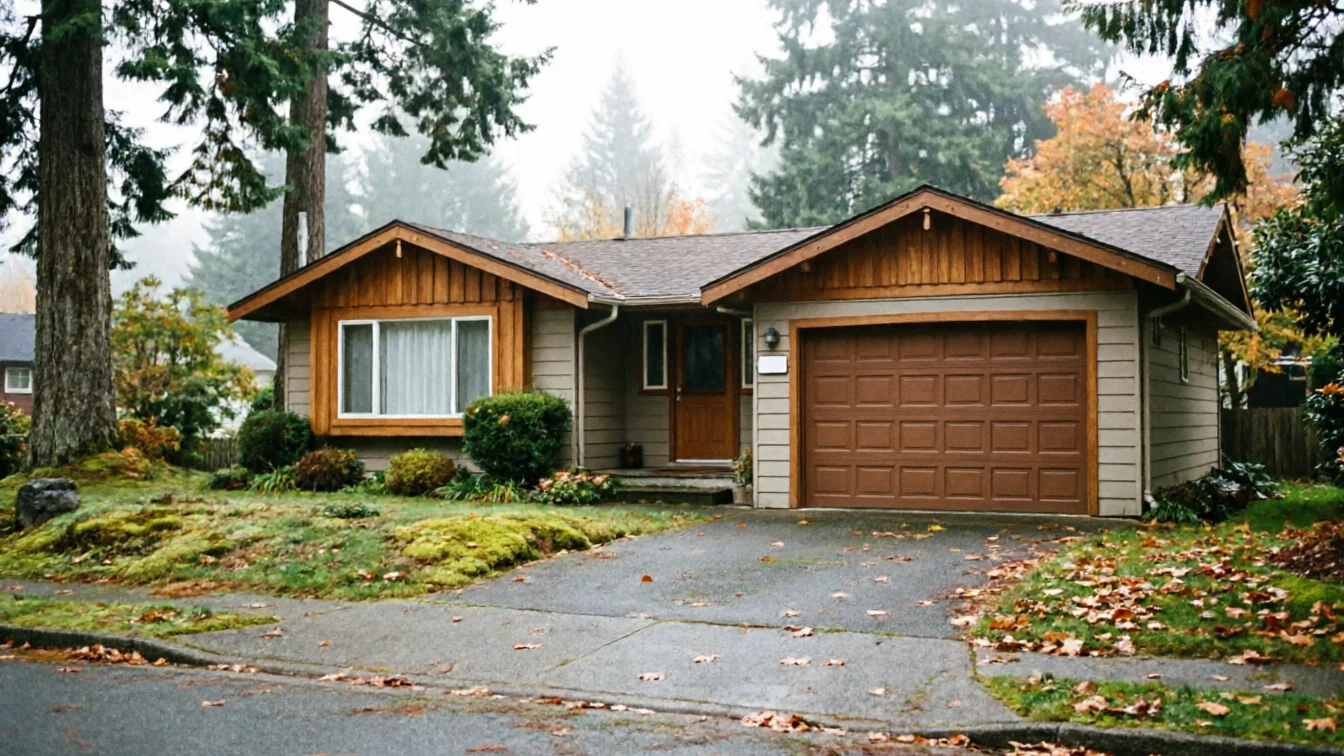
Springs wear out from cycle count, not calendar age, so a door opened twice a day for close to fifty years has gone through more cycles than the number alone suggests. Stafford's housing stock, mostly dating to the mid-1970s, is old enough that most of these doors are on their second or third spring already, not the originals. The cold, moderate climate this area sits in adds its own wear - steel contracts in cold mornings and that daily flex fatigues the coil faster than a spring sitting in a garage that never drops below room temperature. None of that shows up as a single dramatic event; it's cumulative, and the spring that finally lets go on a January morning has usually been weakening for months.
Questions
Stafford is about five miles from our Tualatin shop, which is a short enough drive that it doesn't change how we quote the job. We price by the repair - spring size, one or two springs, drum and bearing condition - not by mileage within this range.
Most houses in this area date to around 1976, which falls inside the 1964-2006 range our stock covers. We carry torsion springs sized for that era on the truck, so a straightforward two-spring swap is usually done in one visit without a parts run.
You can, but we don't recommend it. Springs are rated as pairs and installed at the same time, so the surviving one has already absorbed the same cycles and is close behind the one that failed. Replacing both now costs less than two separate service calls.
Rarely for the spring itself - that's a straightforward swap. It's not worth it if the door's drums, shaft, or track are also failing; at that point you're paying for a repair on a door that needs replacing anyway, and we'll tell you that on-site rather than stack parts onto a door past its service life.
Explore more
Ready when you are
Tualatin Garage Door Pros repairs and installs garage doors, springs and openers in Tualatin, OR and the surrounding area.