1997 circuit board era
That 1997 build year matters because it sits past the wave of basic extension-spring setups common in older stock and into the first generation of chain-drive openers with circuit boards instead of simple relay switches.
Sherwood, Tualatin
Sherwood homes cluster around a 1997 build year, which means mid-90s openers and torsion springs are hitting end of life now. We drive the 4 miles from Tualatin for the fix.
Watch-outs
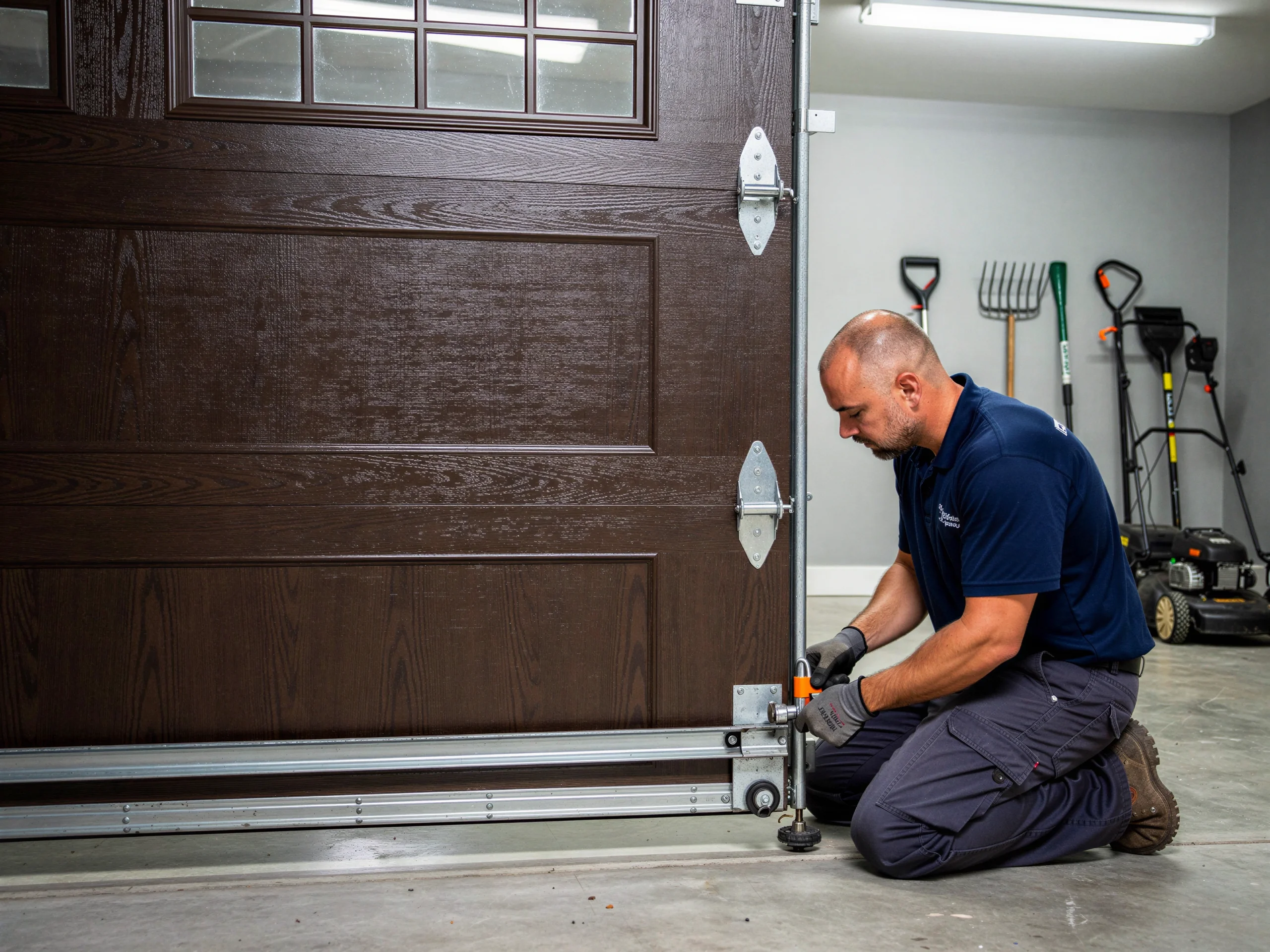
Most of the calls we get from Sherwood aren't about a door that's been neglected for decades. The median home here was built around 1997, which puts a big share of the city's garage doors and openers right at 25 to 30 years old - old enough that the factory logic board in the opener is failing, or the torsion spring installed with the house is at the end of its cycle count, but new enough that homeowners are often surprised it's happening already.
That 1997 build year matters because it sits past the wave of basic extension-spring setups common in older stock and into the first generation of chain-drive openers with circuit boards instead of simple relay switches.
When those boards go, the door doesn't creak toward failure - it just stops responding one day, sometimes mid-cycle with the door half up. That's a different repair than fixing a frayed cable on a 1970s door, and it's the complication we plan for before we leave Tualatin.
We cover Sherwood from our Tualatin location, about 4 miles out, so we're not guessing at what's common in the neighborhood - we're seeing the same construction-era pattern call after call.
Symptoms
The symptom we hear most from Sherwood owners is the opener running - motor humming, light turning on - but the door not moving, or moving only a few inches before stopping. On a door this age, that's rarely the motor itself. It's usually a torsion spring that's lost enough tension that the opener's safety sensors won't let the system fight it, or a drive gear inside the unit that's stripped from years of picking up the slack for a spring that was already tired.
A second common pattern: the door reverses right after the floor, over and over. On houses from this era, that's often a down-limit setting that's drifted, not a sensor alignment problem like you'd see on a brand-new install. We check the simple thing first because on a 1990s-build door, the simple thing is usually where the fault actually lives.
Local causes
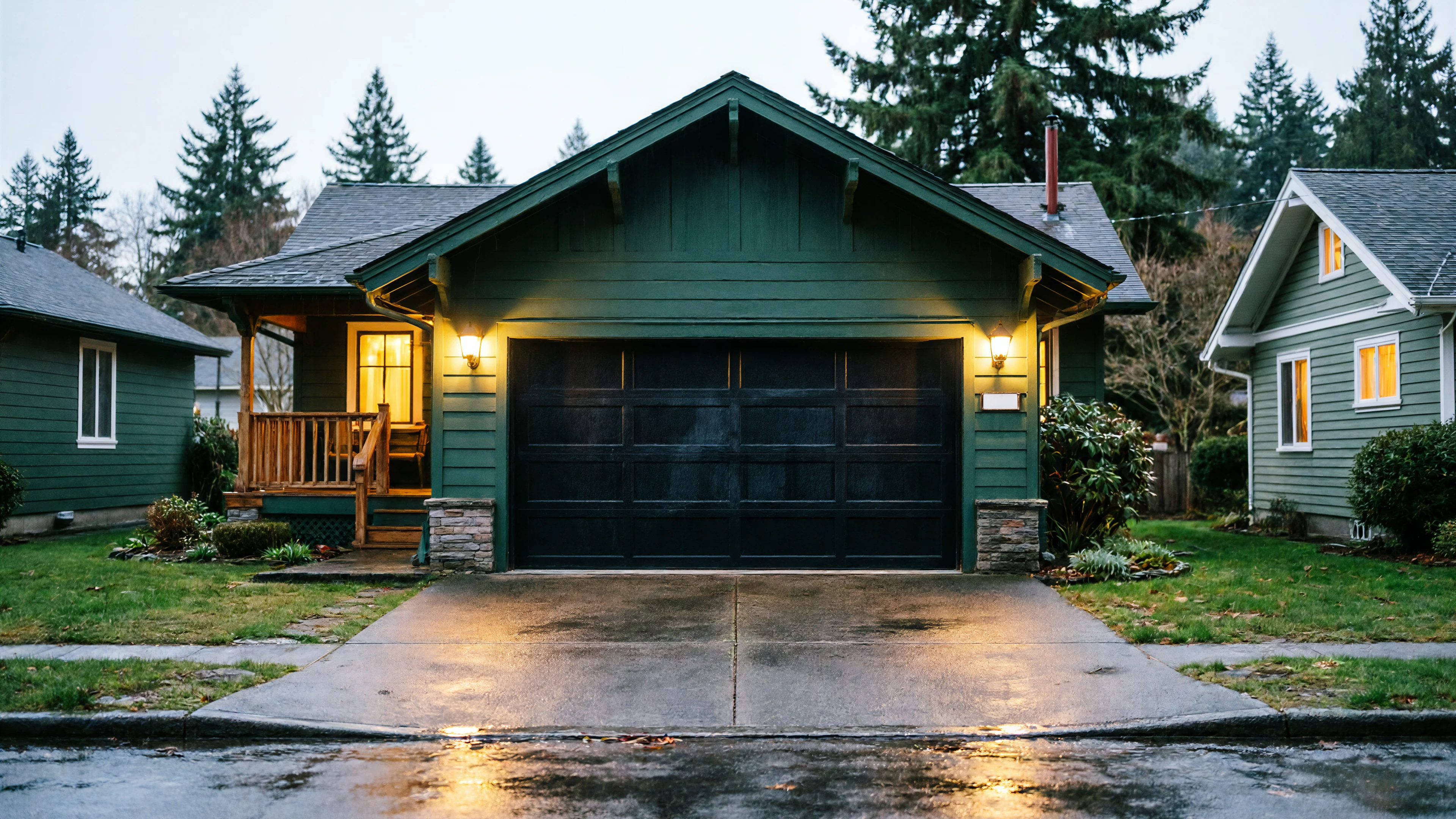
Sherwood sits in the same cold-moderate climate band as the rest of the area we serve, and that matters more for doors from the late 1990s than it does for newer installs.
The seals and rollers specified at the time weren't built with the insulation standards that came later, so winter condensation inside the garage works on steel panels and torsion springs for years before anyone notices rust at the spring coils or pitting on the track.
With roughly 7,017 households in Sherwood and a median income of $110,616, we also see more owners choosing full opener replacement over patch repairs once a board fails - the cost difference between fixing a 25-year-old circuit board and installing a current unit with a battery backup is often small enough that replacement wins.
That's not a sales pitch, it's just what the math looks like on a door this age. We don't stock every obsolete logic board for openers this old, and sometimes a repair that used to take one visit now takes two because a part has to come from Tualatin on a second trip.
DIY or pro
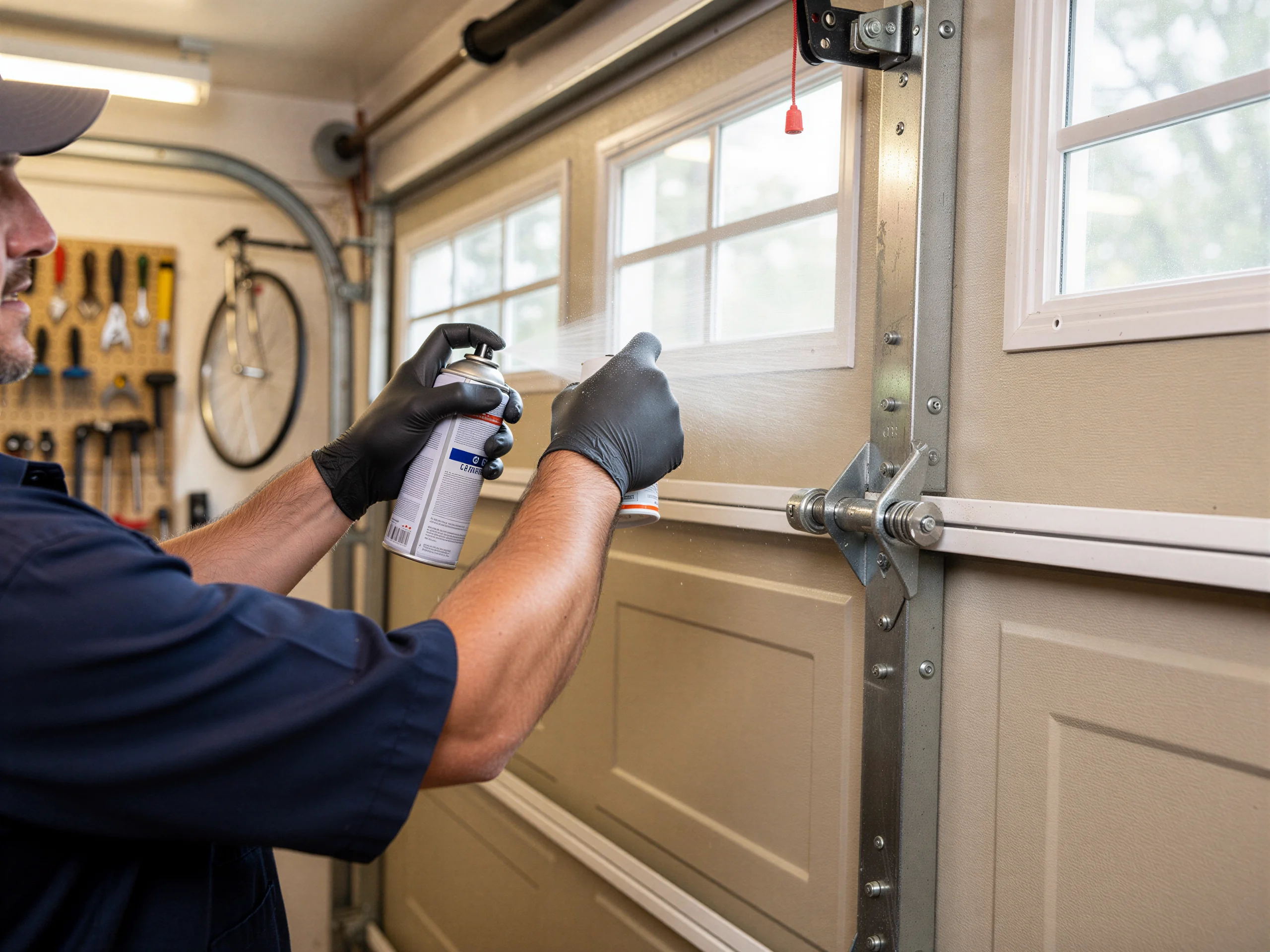
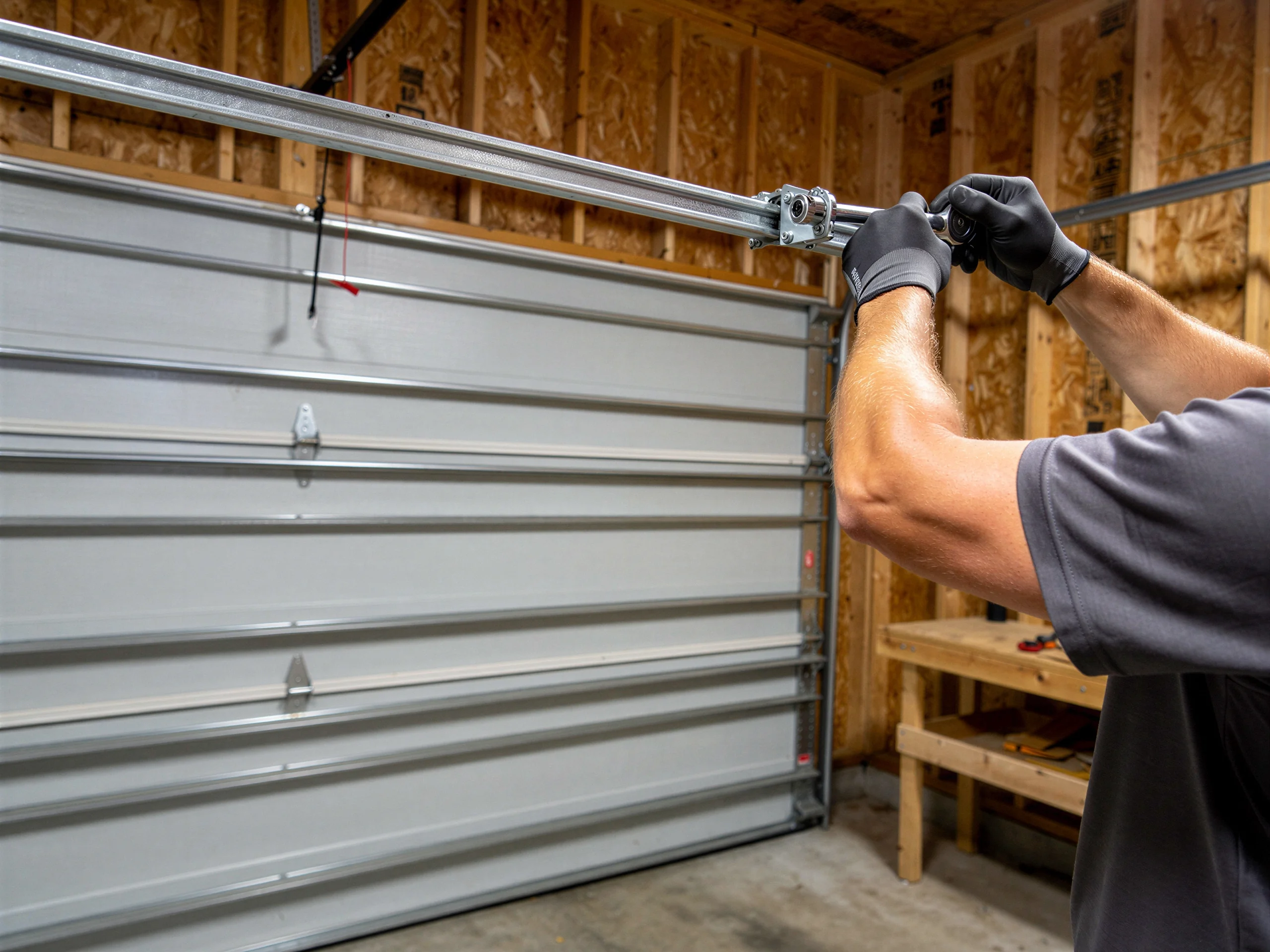
Some things on a Sherwood garage door from this era are worth doing yourself. Spray the rollers and hinges twice a year, check that the track bolts haven't vibrated loose, and test the auto-reverse by setting a block of wood under the door and running it down. If it doesn't stop and reverse on contact, stop using the opener until it's looked at.
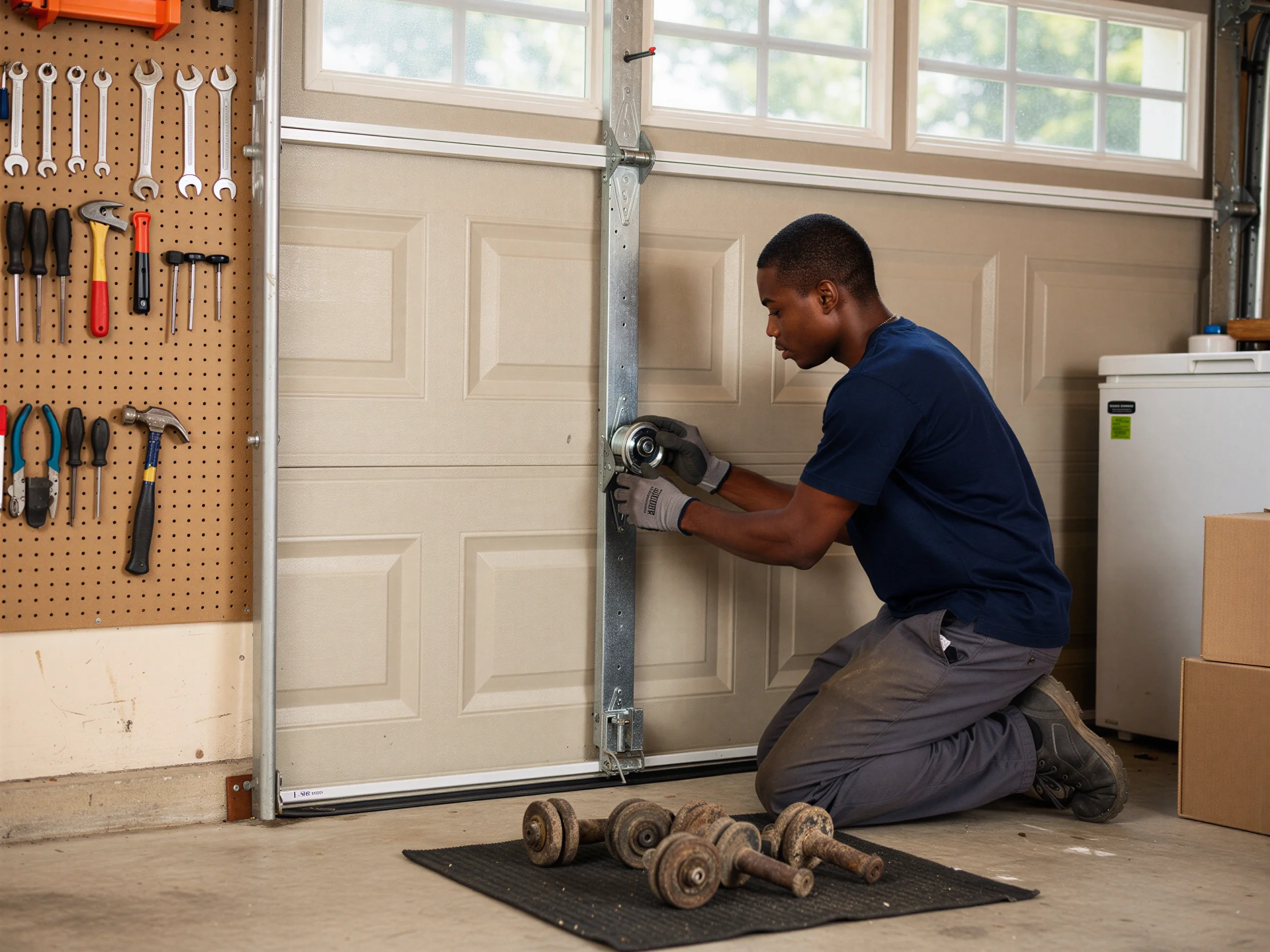
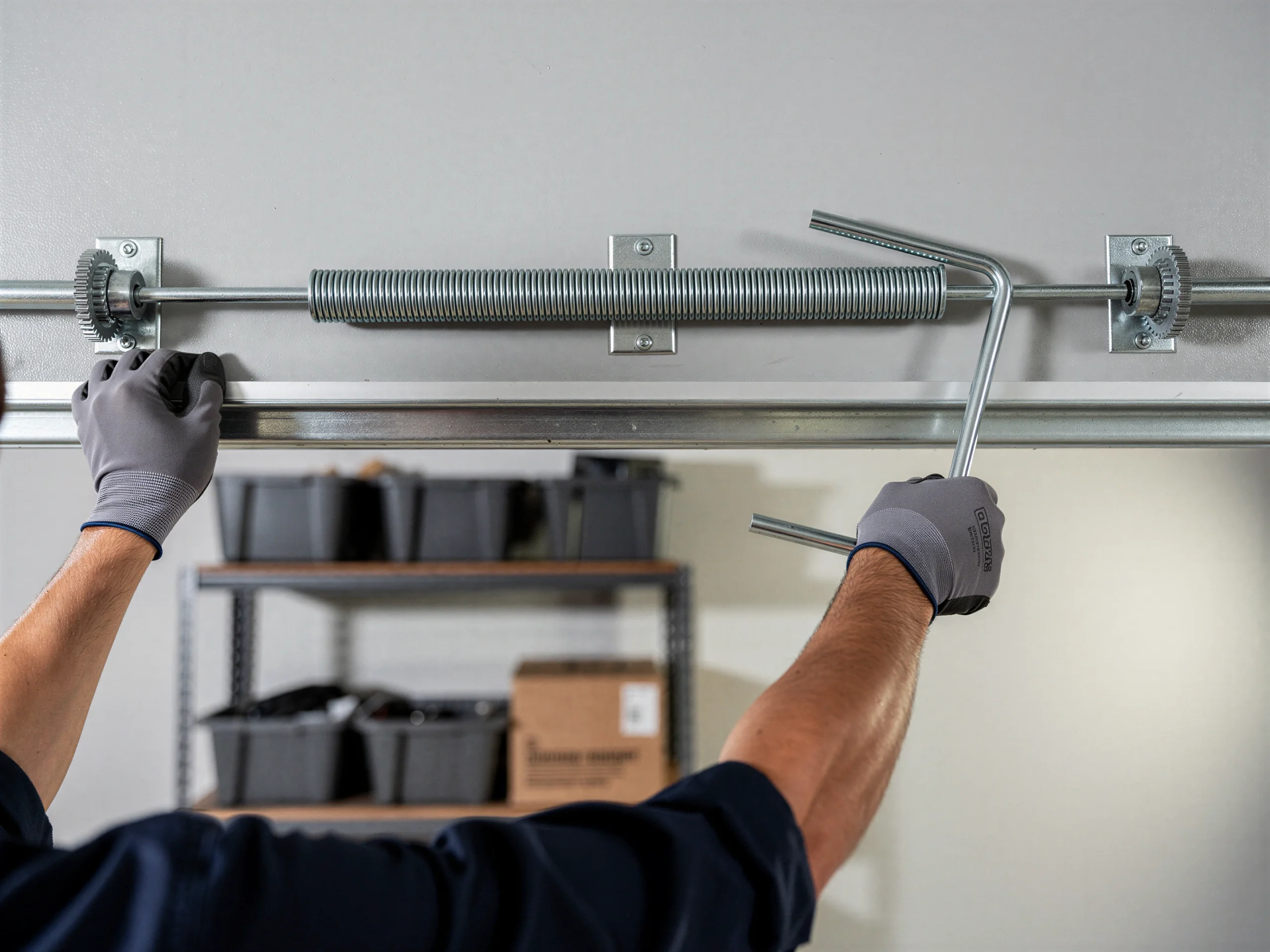
What we don't recommend doing yourself: touching the torsion spring. On a door built around 1997, that spring has been under full tension for close to three decades, and the tools to wind or unwind it safely aren't something most garages have lying around. We'd rather get the call than get the call after.
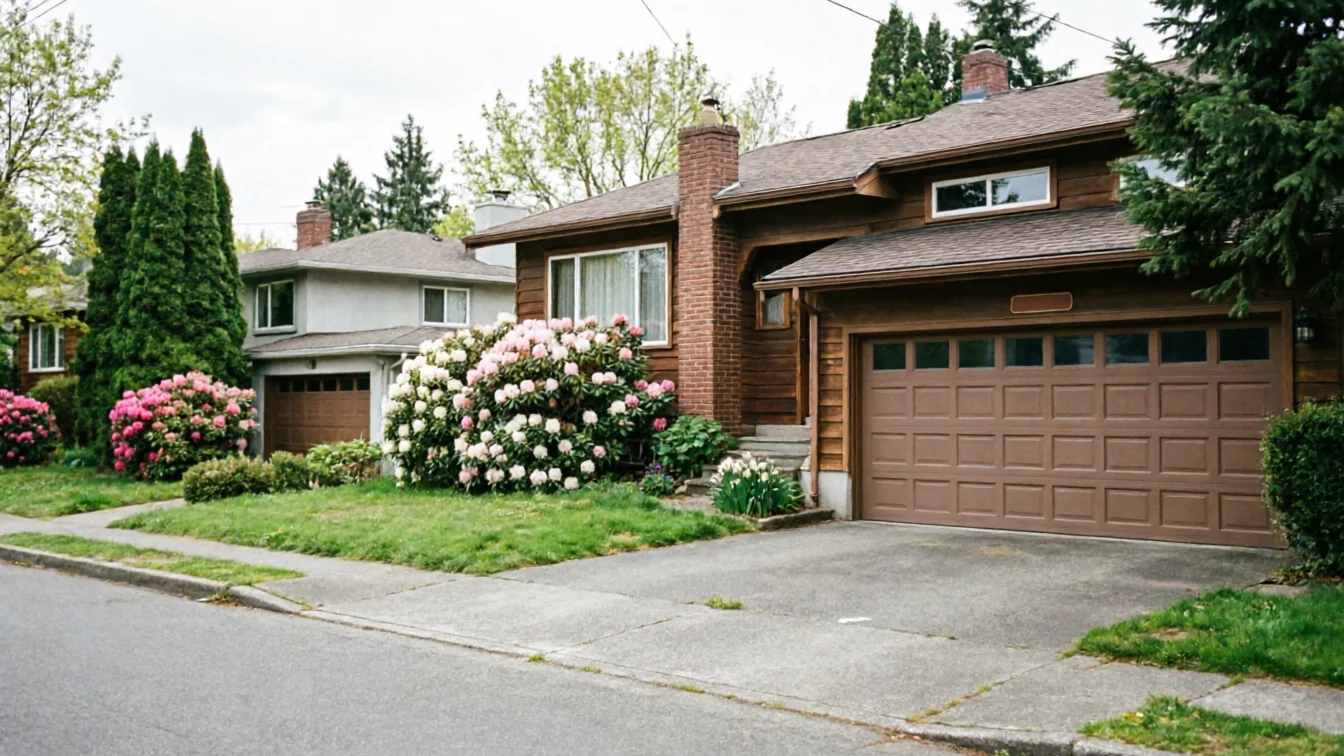
If you want to see what we cover around Sherwood specifically, our nearby areas page lists it alongside the other communities we drive to from Tualatin. For the full rundown of what we do out of our main location, that's covered on the Tualatin garage door repair page.
Questions
Openers from that era used an early circuit board design that tends to fail outright rather than degrade gradually. Once the board starts going, you'll often see intermittent response or a dead unit rather than a slow decline, which is different from mechanical wear you can see coming.
It depends on cycle count and condition, not just age. A spring installed when the house was built, around 1997, has usually seen tens of thousands of open-close cycles by now. We check for coil gap, rust, and tension loss before deciding whether to replace it.
No. We work out of Tualatin, about 4 miles away, and drive out to Sherwood for repairs. We don't keep a branch or depot in the city.
If the board has failed on a unit installed when most Sherwood homes were built, replacement often costs close to the same as repair once you factor in the part being discontinued. We'll tell you the actual numbers for your unit before doing either.
Explore more
Ready when you are
Tualatin Garage Door Pros repairs and installs garage doors, springs and openers in Tualatin, OR and the surrounding area.