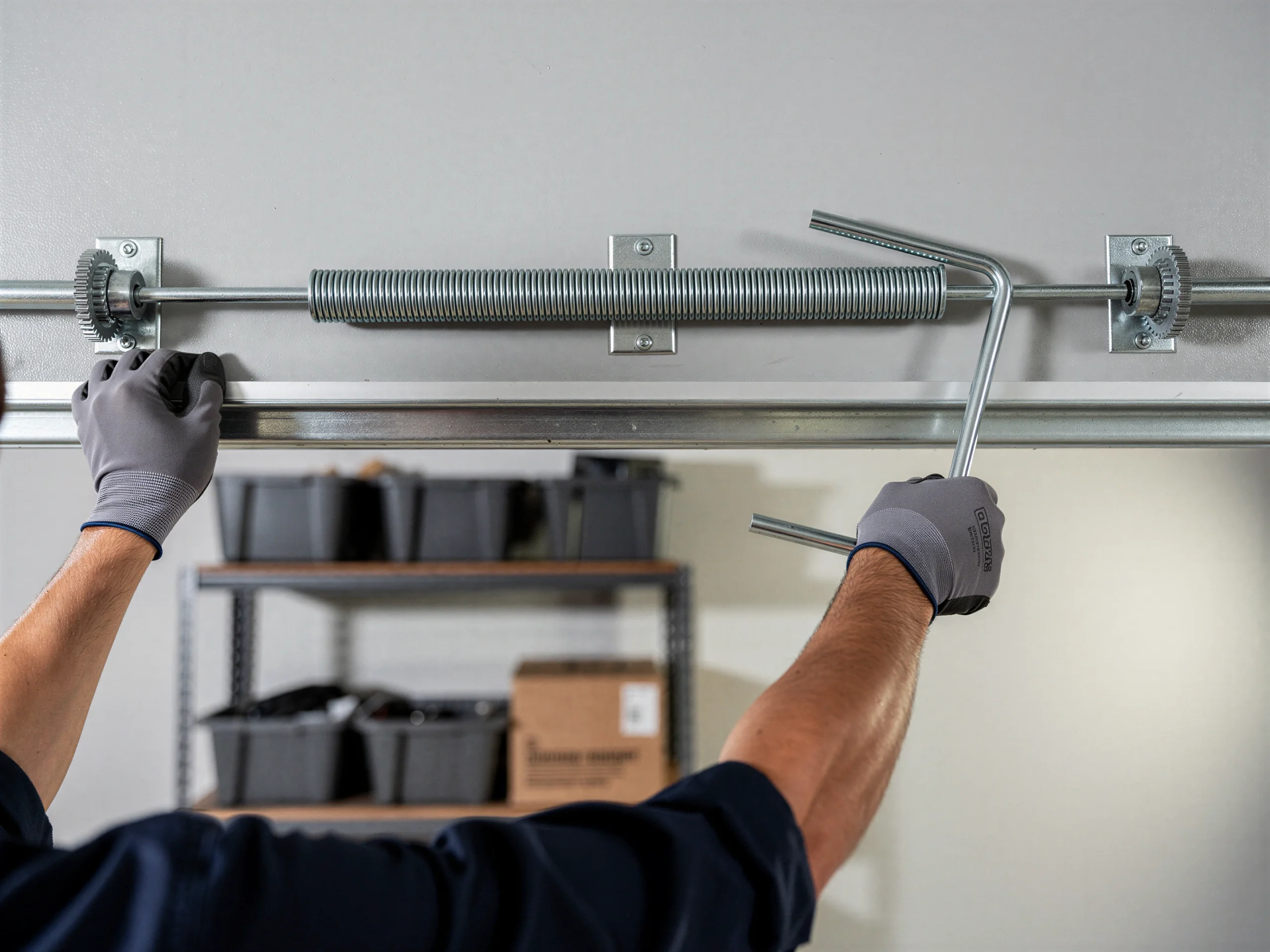
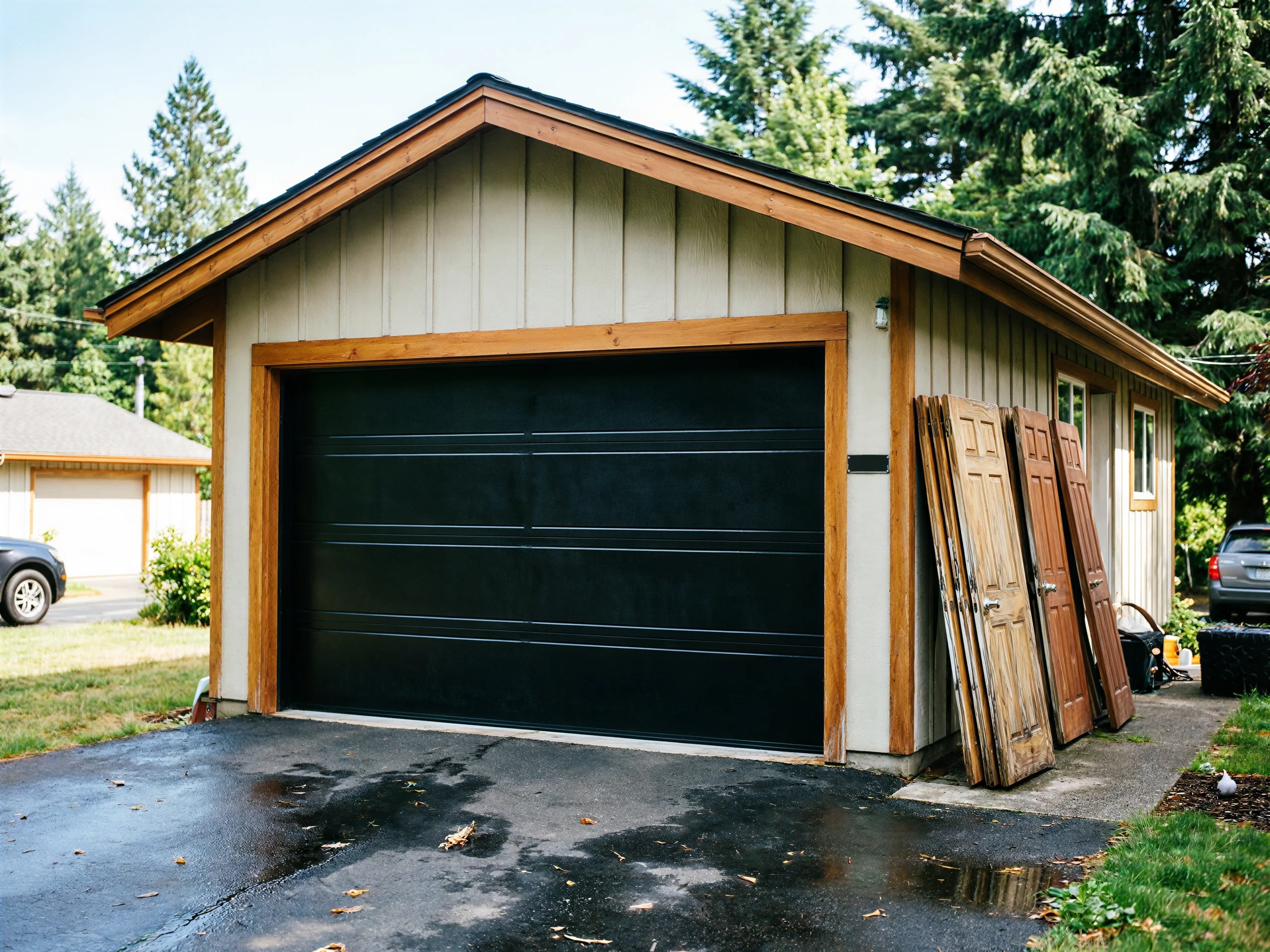
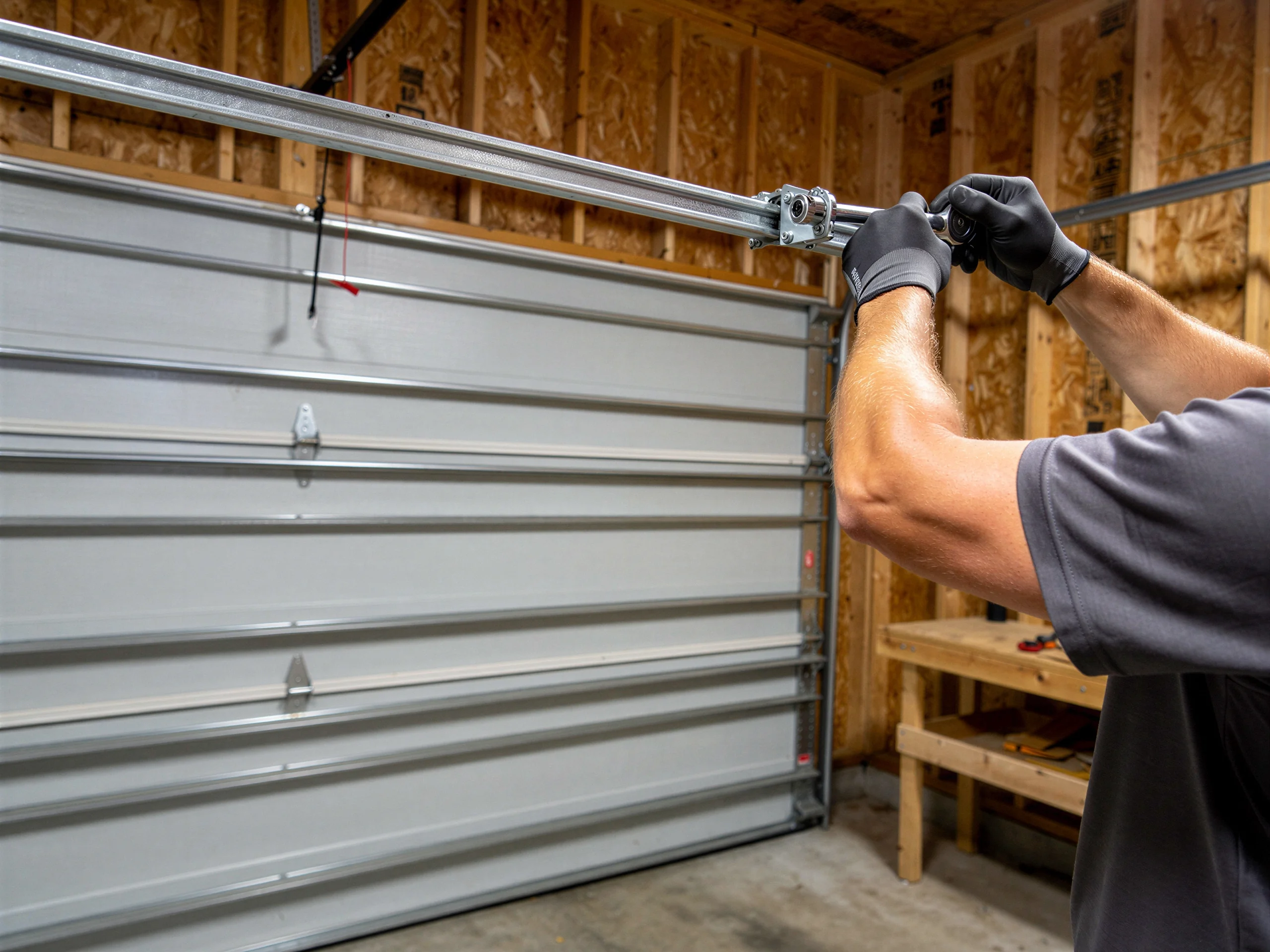
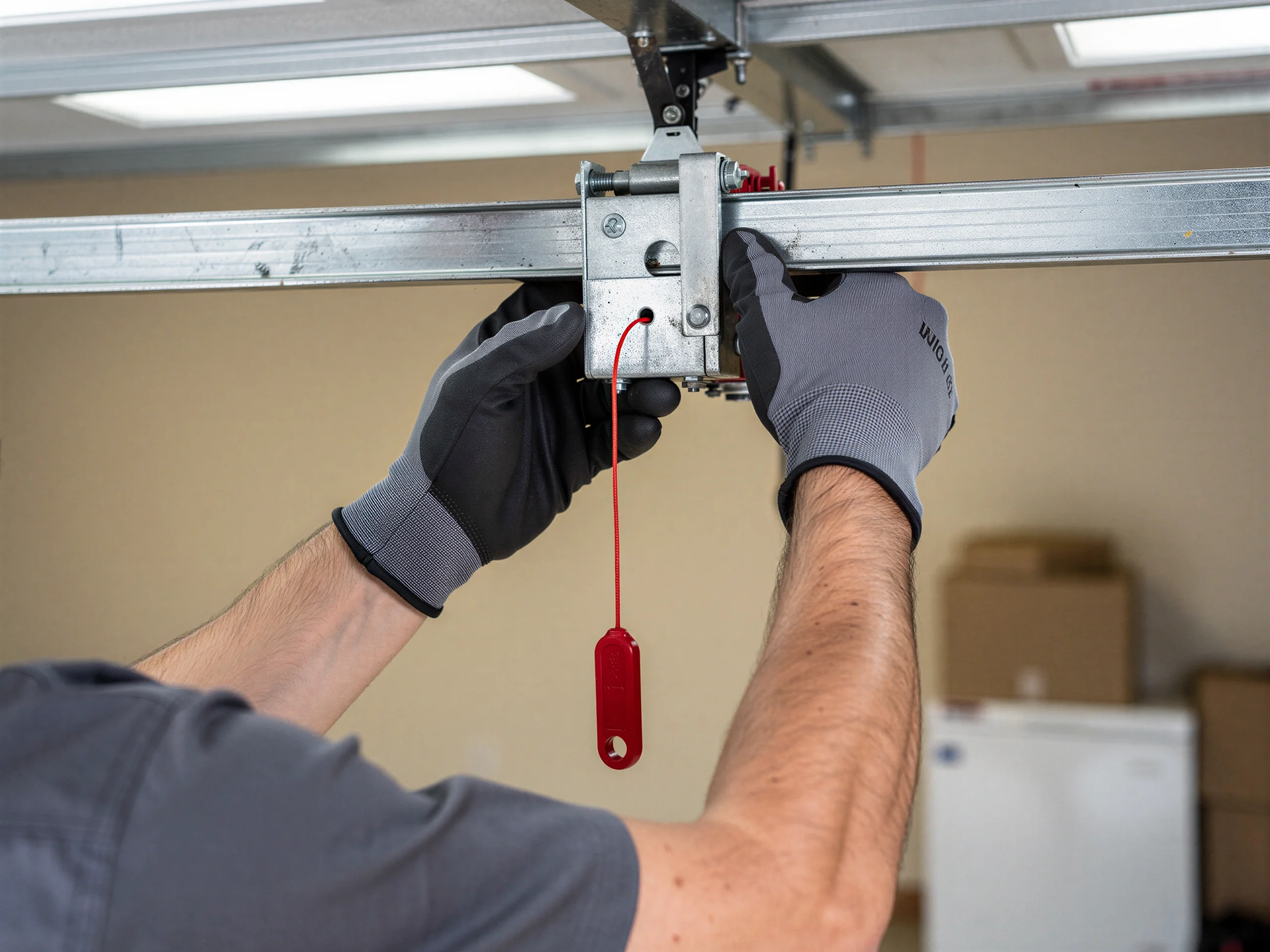
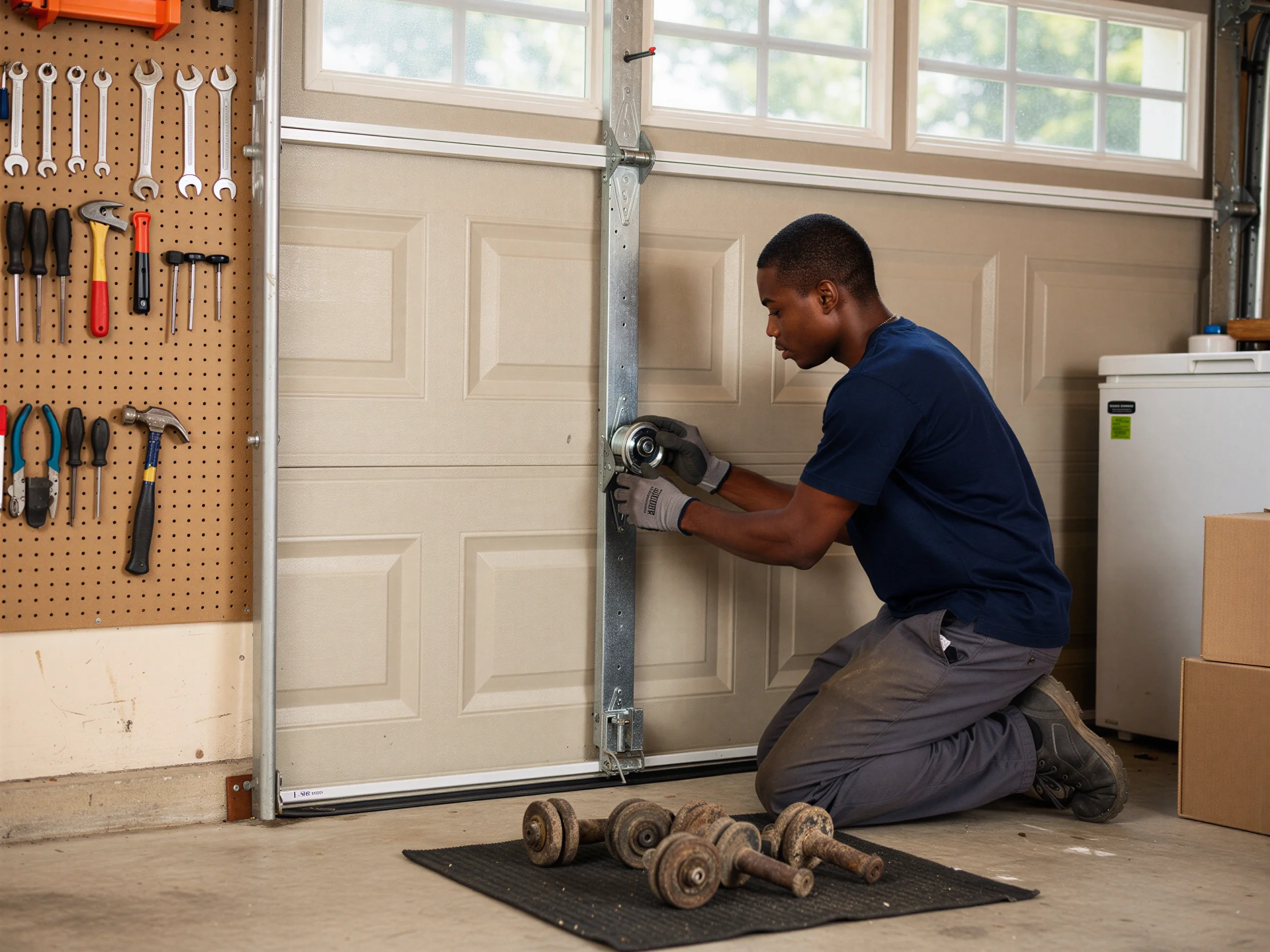
Two things stack up on newer Sherwood doors. First, the build era itself: a 1990s double garage door is taller and heavier than the single-car doors common on older housing stock in parts of the service area, so the torsion spring carries more load cycle after cycle. More load per cycle means the factory spring's rated lifespan gets used up faster if the door gets opened several times a day.
Second, this area sits in a cold-moderate climate band, which means steel springs go through real seasonal temperature swings - cold tightens the coil and changes how it flexes under tension. That cycling, on top of a heavier door, is a common combination behind the sudden snap rather than a gradual loosening.
Income and household numbers for the broader service area - $101,953 median household income and about 130,959 households, 66,619 of them owner-occupied houses - point to an area where garage doors get used daily rather than sitting idle, which also adds up over the years on a factory spring that was never meant to last forever.